

Vaginal dryness is one of the most common yet underreported health concerns affecting women of all ages. Despite how widespread it is, many women suffer in silence unsure of the causes, hesitant to seek help, or simply unaware that effective vaginal dryness treatment options exist. Whether you experience occasional discomfort or persistent symptoms, understanding what’s happening in your body is the first and most important step toward relief.
This comprehensive guide covers everything you need to know: from what causes vaginal dryness and how to recognize its symptoms, to the best treatment approaches including vaginal moisturizers, lubricants, creams, and natural remedies. You deserve to feel comfortable in your own body and with the right information, you absolutely can.
What Is Vaginal Dryness?
Vaginal dryness refers to a condition in which the vaginal walls lose their natural moisture and lubrication, leading to irritation, discomfort, and pain. It can affect women at any age, though it is especially prevalent during and after menopause.
How Vaginal Lubrication Works
Under normal circumstances, the vaginal walls are lined with a thin layer of moisture that keeps the tissue supple, healthy, and comfortable. This vaginal lubrication is primarily maintained by estrogen, a hormone that stimulates the glands in and around the vagina to produce fluid. When estrogen levels are adequate, the vaginal tissue stays thick, elastic, and well-hydrated.
During sexual arousal, this process accelerates the Bartholin’s glands to release additional fluid, and the vaginal walls themselves produce a transudation (a type of fluid seepage) that provides lubrication for comfortable intercourse.
Why Vaginal Moisture Is Important
Vaginal lubrication is not just about sexual comfort it serves vital health functions. Proper vaginal moisture helps maintain the natural pH balance of the vagina, which in turn protects against bacterial and yeast infections. Without adequate vagina water (natural vaginal fluid), the delicate tissue becomes vulnerable to microtears, inflammation, and infection.
Moisture also plays a role in the overall comfort of everyday activities walking, sitting, and wearing clothing can become painful when the vaginal tissue is dry and inflamed.
Is Vaginal Dryness Common?
Very much so. Studies suggest that up to 40% of women experience vaginal dryness at some point during their reproductive years, and this figure rises to nearly 60–70% in postmenopausal women. Despite its prevalence, many women do not report the condition to their doctors often due to embarrassment or the mistaken belief that it’s simply a normal part of aging they must endure.
Vaginal Dryness Symptoms
Recognizing vaginal dryness symptoms early allows you to seek treatment sooner and prevent complications from developing over time.
Common Signs of Vaginal Dryness
The most frequently reported vaginal dryness symptoms include:
- A persistent feeling of dryness, tightness, or roughness in the vaginal area
- Vaginal dryness and itching, especially along the vaginal opening and labia
- Burning or stinging sensations, particularly when urinating
- Light bleeding or spotting after intercourse not related to a period
- A thin, watery, or reduced vaginal discharge
- Frequent urinary tract infections (UTIs) due to changes in vaginal pH
These symptoms can range from mild to severe and may fluctuate depending on hormone levels, stress, hydration, and other factors.
Vaginal Dryness During Sex
One of the most distressing and commonly reported effects is vaginal dryness during sex. Without sufficient natural lubrication, sexual intercourse can become uncomfortable or even painful, a condition known medically as dyspareunia. Vaginal dryness during intercourse may cause friction-related irritation, small tears in vaginal tissue, and post-sex soreness or spotting.
Many women and their partners may interpret this as a sign of low arousal or relationship problems, when in fact it is a physiological issue with straightforward solutions. Vaginal dryness during intercourse is a medical concern, not a reflection of desire or attraction.
Physical and Emotional Effects
Beyond the physical discomfort, vaginal dryness can take a significant emotional toll. Women often report reduced self-confidence, anxiety around intimacy, decreased sexual desire, and in some cases, depression or strain in their relationships. Acknowledging both the physical and emotional dimensions of vaginal dryness is essential when considering treatment options.
Vaginal Dryness Causes
Understanding the root vaginal dryness is critical for choosing the right treatment strategy.
Menopause and Hormonal Changes
The most common cause of vaginal dryness is the drop in estrogen that occurs during perimenopause and menopause. As estrogen levels decline, the vaginal tissues thin, lose elasticity, and produce less natural moisture. This condition known as vaginal atrophy or genitourinary syndrome of menopause (GSM) is responsible for the majority of vaginal dryness cases in women over 45.
Vaginal Dryness During Early Pregnancy
Hormonal fluctuations during early pregnancy can also trigger vaginal dryness. While many women associate pregnancy with increased vaginal discharge, the early weeks can actually bring reduced lubrication in some women due to rapid shifts in estrogen and progesterone levels. Vaginal dryness early in pregnancy is usually temporary and resolves as hormone levels stabilize.
Breastfeeding and Postpartum Changes
After childbirth, especially in breastfeeding mothers, estrogen levels drop significantly to facilitate milk production. This can lead to postpartum vaginal dryness that persists for as long as a woman continues to breastfeed. It’s one of the most overlooked vaginal dryness causes, yet it affects a large proportion of new mothers.
Birth Control and Hormonal Medications
Hormonal contraceptives including certain birth control pills, injections, and hormonal IUDs can reduce estrogen levels or disrupt natural hormonal balance, leading to vaginal dryness in some women. Other medications, including antidepressants, antihistamines, and certain blood pressure drugs, can also have a drying effect on vaginal tissue.
Medical Conditions Linked to Vaginal Dryness
Several medical conditions are associated with reduced vaginal lubrication. These include Sjögren’s syndrome (an autoimmune disorder that affects moisture-producing glands throughout the body), diabetes, thyroid disorders, and pelvic floor dysfunction. Women undergoing chemotherapy or radiation therapy for cancer, particularly pelvic radiation are also at high risk of developing vaginal dryness as a side effect.
Lifestyle and Personal Care Factors
Certain everyday habits can worsen dryness. Using scented soaps, douching, wearing synthetic underwear, or applying harsh personal care products to the vaginal area can strip away natural moisture and disrupt the vaginal microbiome. Smoking, excessive alcohol consumption, and chronic stress are additional lifestyle-related contributors to vaginal dryness.
Risk Factors for Vaginal Dryness
Age and Menopause
Age is the single greatest risk factor for vaginal dryness. As women approach and pass through menopause, declining estrogen makes dryness increasingly likely. Women in their 40s and 50s should be proactive about vaginal health.
Certain Medications
Women taking antidepressants, allergy medications, hormonal contraceptives, or chemotherapy drugs are at increased risk. Always discuss vaginal side effects with your prescribing doctor.
Smoking and Lifestyle Habits
Smoking impairs circulation and can affect estrogen metabolism, increasing the risk of vaginal dryness. A sedentary lifestyle, poor diet, and high chronic stress levels also contribute.
Autoimmune Disorders
Conditions like Sjögren’s syndrome, lupus, and rheumatoid arthritis can damage moisture-producing glands and increase susceptibility to vaginal dryness.
How Vaginal Dryness Is Diagnosed
Symptoms Your Doctor May Ask About
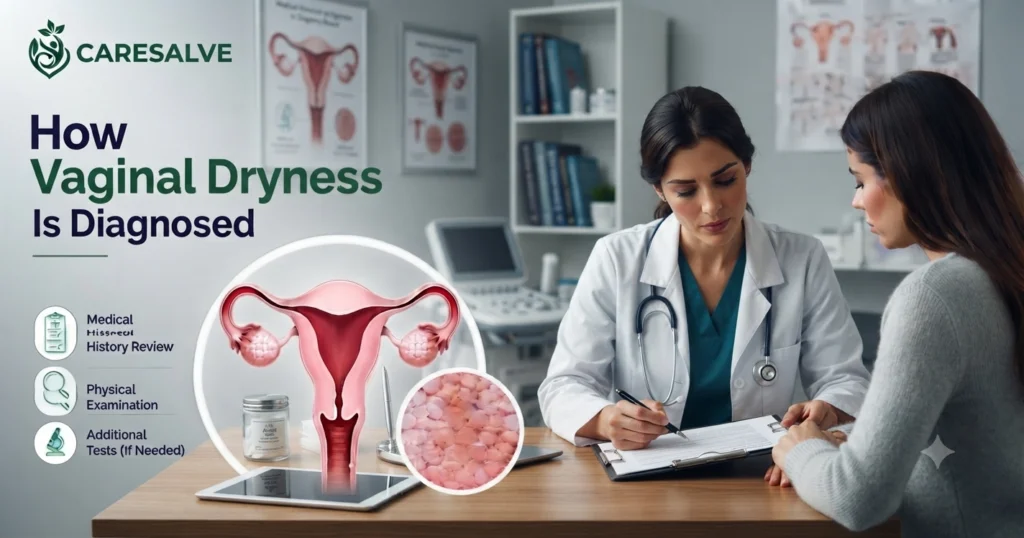
A diagnosis typically begins with a detailed conversation about your symptoms when they started, how often they occur, whether they are associated with intercourse, and whether you’ve noticed other hormonal changes such as hot flashes or irregular periods.
Physical Examination
Your doctor may perform a pelvic exam to assess the condition of the vaginal walls. Signs of vaginal atrophy such as pale, thin, or inflamed tissue are often visible and diagnostic on their own.
Hormone and Medical Testing
In some cases, blood tests to measure estrogen, follicle-stimulating hormone (FSH), and thyroid hormone levels may be ordered. Vaginal pH testing can also help identify changes in the vaginal environment associated with dryness and atrophy.
How to Treat Vaginal Dryness
There are many effective approaches when it comes to how to treat vaginal dryness from simple lifestyle adjustments to prescription therapies.
Lifestyle Changes That Help
Simple changes can make a meaningful difference in vaginal comfort. Switching to unscented, gentle intimate hygiene products, wearing breathable cotton underwear, avoiding douching, staying sexually active (which increases blood flow to vaginal tissue), and managing stress can all help improve symptoms naturally.
Quitting smoking, reducing alcohol intake, and eating an anti-inflammatory diet rich in phytoestrogens (found in flaxseed, soy, and legumes) may also support vaginal health over time.
Improving Natural Vaginal Lubrication
To support natural vaginal lubrication, regular sexual activity and arousal are beneficial both solo and partnered. Spending more time on foreplay before intercourse gives the body adequate time to produce natural lubrication. Pelvic floor exercises (Kegels) also improve blood flow to the vaginal area and can enhance natural moisture production.
Staying Hydrated and Maintaining Vaginal Health
Hydration matters more than most people realize. Drinking sufficient water daily directly affects vaginal lubrication, as vaginal fluids like all bodily secretions depend on adequate hydration. Aim for at least 8 glasses of water per day, and reduce caffeine and alcohol, which are dehydrating.
Vaginal Moisturizer for Daily Relief
What Is a Vaginal Moisturizer?
A vaginal moisturizer is a non-hormonal product designed for regular, ongoing use to restore and maintain vaginal moisture. Unlike a lubricant (which is used specifically during sex), a vaginal moisturizer is applied every few days to maintain baseline hydration of vaginal tissue. It works by binding to the vaginal walls and releasing moisture gradually, much like a facial moisturizer does for skin.
How to Choose the Right Vaginal Moisturizer
When selecting a vaginal moisturizer, look for products that are:
- Free from fragrances, parabens, and glycerin (which can cause irritation)
- Formulated with hyaluronic acid, aloe vera, or polycarbophil (clinically proven moisturizing agents)
- pH-balanced to match the natural vaginal environment (around 3.5–4.5)
- Water-based and free from hormones (for women who prefer non-hormonal options)
Reputable brands include Replens, Yes VM, and Hyalo Gyn, among others. Always consult your gynecologist before starting a new product, especially if you have recurring infections or sensitivities.
When to Use a Vaginal Moisturizer
Most vaginal moisturizers are designed to be applied every 2–3 days, regardless of sexual activity. Consistency is key; regular use helps rebuild and maintain moisture levels in the vaginal tissue over time. Many women begin noticing improvement within 1–2 weeks of consistent use.
Best Lubricant for Vaginal Dryness
Water-Based Lubricants
Water-based lubricants are the most widely recommended lubricant for vaginal dryness, particularly for use during intercourse. They are safe to use with all types of condoms, easy to clean up, and generally well-tolerated by sensitive skin. Look for versions that are glycerin-free and fragrance-free to minimize the risk of yeast infections or irritation.
Silicone-Based Lubricants
Silicone-based lubricants provide a longer-lasting slip and are highly effective for women with more severe vaginal dryness. They are not absorbed by the skin as quickly as water-based options and maintain vaginal lubrication for extended periods. However, they cannot be used with silicone sex toys and may require soap and water for full removal.
Choosing the Best Lubricant
The best lubricant for vaginal dryness depends on your individual needs, skin sensitivity, and whether you are using condoms or toys. As a general rule:
- For everyday mild dryness: water-based lubricant
- For more severe dryness or longer sessions: silicone-based lubricant
- For those with multiple sensitivities: look for hyaluronic acid-based formulas
Avoid petroleum-based products (like Vaseline) and oil-based lubricants when using condoms, as they degrade latex.
Vaginal Dryness Cream and Medical Treatments
Vaginal Dryness Creams
Over-the-counter vaginal dryness creams are a convenient first-line option for mild to moderate dryness. These are typically moisturizing creams designed to be applied directly to the vaginal opening and inner labia to relieve dryness and irritation. Many contain ingredients like hyaluronic acid, vitamin E, or aloe vera.
Estrogen Creams and Tablets
For women with moderate to severe vaginal dryness particularly those going through menopause low-dose topical estrogen is one of the most effective vaginal dryness treatments available. Estrogen cream (such as Premarin or Estrace) is applied directly inside the vagina, where it is absorbed locally to restore tissue thickness and natural lubrication. Because the estrogen works primarily locally rather than systemically, it is considered safe for most women, including many who cannot take oral hormone therapy.
Vaginal estrogen tablets (like Vagifem) work similarly and may be preferred by women who find creams messy or difficult to apply.
Vaginal Rings and Inserts
Estring is a soft, flexible vaginal ring that releases a low, steady dose of estrogen over three months. It is inserted by the woman herself (similar to a diaphragm) and replaced quarterly. Vaginal inserts such as Intrarosa (prasterone/DHEA) are another non-estrogen hormonal option approved for treating pain during sex caused by menopause-related vaginal dryness.
Prescription Treatment Options
For women who cannot or prefer not to use estrogen, ospemifene (brand name Osphena) is an oral selective estrogen receptor modulator (SERM) approved specifically for treating moderate to severe dyspareunia caused by vaginal dryness. It acts like estrogen on vaginal tissue without systemic hormonal effects. Speak to your doctor about which vaginal dryness treatment option is most appropriate for your health history.
Natural Remedies for Vaginal Dryness
Foods That Support Hormonal Balance
Phytoestrogen-rich foods such as flaxseeds, soy, chickpeas, lentils, sesame seeds, and whole grains may help support hormonal balance and partially compensate for declining estrogen. Omega-3 fatty acids (found in fatty fish, walnuts, and chia seeds) support cellular health, including vaginal tissue. Vitamin E, found in nuts and leafy greens, has also shown promise in improving vaginal moisture when consumed regularly.
Managing Stress Levels
Chronic stress elevates cortisol, which in turn suppresses estrogen production and can worsen vaginal dryness. Practices like yoga, meditation, regular exercise, and adequate sleep can help regulate stress hormones and support overall hormonal health including vaginal lubrication.
Avoiding Irritating Products
Many women unknowingly worsen their dryness by using products that contain irritants. Avoid scented soaps, bubble baths, deodorant sprays, and wipes near the vaginal area. Stick to plain warm water for external cleaning and avoid anything that disrupts the vaginal pH.
Regular Sexual Activity and Vaginal Health
Regular sexual activity including masturbation maintains blood flow to vaginal tissues, stimulates natural lubrication, and helps keep the vaginal walls elastic and well-conditioned. This does not require a partner; the key is arousal and engagement of pelvic circulation.
Complications of Untreated Vaginal Dryness
Pain During Intercourse
Left untreated, vaginal dryness during intercourse can progress from occasional discomfort to significant pain making sex something to dread rather than enjoy. Over time, this can strain intimate relationships and lead to avoidance behaviors that are difficult to reverse.
Vaginal Irritation and Itching
Persistent vaginal dryness and itching can create a cycle of scratching and inflammation that damages the delicate vaginal lining, increasing susceptibility to infection. Chronic irritation may also lead to contact dermatitis, a skin condition that worsens with continued exposure to the irritant.
Reduced Quality of Life
The cumulative effect of untreated vaginal dryness, pain, discomfort, sexual avoidance, and emotional distress can significantly reduce a woman’s overall quality of life. It is not a trivial condition and deserves the same attention and care as any other health concern.
How to Prevent Vaginal Dryness
Healthy Daily Habits
Prevention starts with basic self-care: staying well-hydrated, eating a nutrient-rich diet, exercising regularly, and avoiding smoking. These habits support hormone regulation and overall tissue health.
Proper Intimate Care
Use only gentle, unscented products near the vaginal area. Avoid tight synthetic clothing, prolonged use of panty liners, and excessive washing all of which can disrupt the vaginal environment.
Maintaining Hormonal Health
If you are approaching or going through menopause, speak to your doctor proactively about vaginal health. Early intervention with a vaginal moisturizer or low-dose estrogen therapy can prevent severe atrophy from developing in the first place.
When to See a Doctor for Vaginal Dryness
Persistent Symptoms
If you’ve been experiencing vaginal dryness for more than a few weeks with no obvious temporary cause (such as a new medication or recent childbirth), it’s time to speak with a healthcare provider.
Severe Pain During Sex
Vaginal dryness that makes sex consistently painful or impossible warrants medical evaluation. Severe dyspareunia may require prescription treatment and should not simply be tolerated.
Vaginal Bleeding or Discharge
Any unexpected vaginal bleeding (outside of your normal period) or unusual discharge alongside dryness symptoms should be evaluated promptly, as these may indicate an underlying condition requiring diagnosis.
Frequently Asked Questions
1. What Is the Best Vaginal Dryness Treatment?
The best vaginal dryness treatment depends on the cause and severity. For mild cases, a regular vaginal moisturizer and a quality lubricant used during sex are often sufficient. For menopause-related dryness, low-dose topical estrogen therapy is highly effective and widely recommended by gynecologists. Always consult a healthcare provider before beginning any new treatment regimen.
2. How Do You Increase Vaginal Lubrication Naturally?
To increase vaginal lubrication naturally, focus on staying well-hydrated, eating phytoestrogen-rich foods, managing stress, maintaining regular sexual activity, and avoiding products that irritate vaginal tissue. While natural approaches may not fully resolve dryness caused by hormonal deficiency, they are a valuable complement to other treatments.
3. Which Vaginal Dryness Cream Works Best?
There is no single “best” vaginal dryness cream for all women. Over-the-counter options with hyaluronic acid or aloe vera are a good starting point for mild dryness. For moderate to severe symptoms particularly in menopausal women a prescription estrogen cream prescribed by your doctor is typically more effective and longer-lasting.
4. Can Early Pregnancy Cause Vaginal Dryness?
Yes, vaginal dryness during early pregnancy is possible and is caused by hormonal fluctuations in the first trimester. It tends to be temporary and usually resolves as the pregnancy progresses. If dryness is bothersome, a gentle water-based lubricant or vaginal moisturizer is generally safe to use but always check with your OB before using any new product during pregnancy.
5. Why Does Vaginal Dryness Happen During Sex?
Vaginal dryness during sex can occur for several reasons: insufficient arousal time, low estrogen levels, stress, hormonal medication side effects, or underlying medical conditions. When the body doesn’t produce adequate natural lubrication during arousal, friction during vaginal dryness during intercourse can cause discomfort, irritation, or pain. Using a lubricant and ensuring adequate foreplay can significantly help.
6. Can a Vaginal Moisturizer Be Used Every Day?
Most vaginal moisturizers are designed for use every 2–3 days rather than daily. However, some formulations, particularly gels with hyaluronic acid can be used daily if needed. Follow the product’s instructions and consult your gynecologist if you have any concerns about frequency of use.
Conclusion
Vaginal dryness is a common, treatable condition but only when it’s properly understood and addressed. Whether you’re dealing with vaginal dryness causes related to menopause, pregnancy, breastfeeding, or medications, there are solutions available that can restore your comfort and confidence.
By recognizing the vaginal dryness symptoms early, seeking appropriate medical guidance, and choosing the right combination of treatments whether that’s a daily vaginal moisturizer, a quality lubricant for vaginal dryness, an over-the-counter vaginal dryness cream, or a prescription therapy recommended by your doctor you can manage this condition effectively and improve your quality of life.
You don’t have to live with discomfort. Take the first step today: talk to your healthcare provider, explore your options, and reclaim your vaginal health.
