
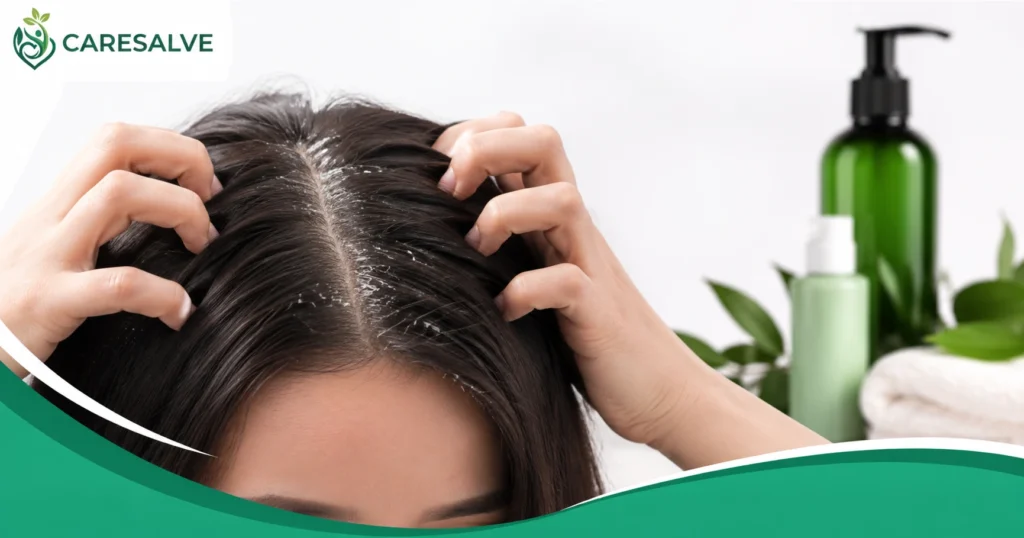

Dandruff is one of the most common scalp concerns people search for help with, and at CareSalve we understand how frustrating those flakes, itching, and constant self consciousness can be. Dandruff happens when the scalp sheds skin cells faster than normal, often due to excess oil, a naturally occurring yeast called Malassezia, dryness, or irritation from hair products. Symptoms usually include visible white or yellow flakes, an itchy scalp, and sometimes redness or tenderness.
The encouraging news is that dandruff is treatable for most people. Choosing the right dandruff shampoo, understanding what triggers your flakes, and building a consistent scalp care routine can make a real difference. That said, if your dandruff is severe, painful, or simply not responding to over the counter products, it’s worth having a dermatologist take a look, since some scalp conditions can look like dandruff but need different care. This CareSalve guide walks through everything you need to know about dandruff treatment, from causes to prevention.
What Is Dandruff?
Dandruff is a common scalp condition where dead skin cells shed faster than usual, forming visible white or yellow flakes in the hair and on the scalp. It happens because the scalp’s skin cycle speeds up, often as a reaction to oil, yeast, or irritation on the skin’s surface.
Many people wonder, is dandruff normal? To an extent, yes. Mild flaking is common and not a sign of poor hygiene. Dandruff itself is not contagious, since it isn’t an infection that spreads between people, though the underlying scalp environment can be inherited or influenced by genetics.
If you’re asking yourself why do I have dandruff, or why do I suddenly have so much dandruff, it often comes down to a shift in your scalp’s oil production, a new hair product, seasonal changes, or stress. Left untreated, dandruff generally doesn’t damage the hair itself, but constant scratching can irritate the scalp and affect hair health over time.
What Causes Dandruff?
Understanding the root cause of your dandruff helps you pick the right treatment rather than guessing.
Malassezia Yeast and Dandruff
Malassezia is a yeast that naturally lives on most people’s scalps. When it interacts with scalp oils, it can produce byproducts that irritate the skin and speed up cell turnover, which is what many people mean when they ask if dandruff is caused by fungus. This fungal dandruff response is one of the most common triggers, and it’s why antifungal shampoos containing ingredients like ketoconazole are so often recommended for dandruff fungus treatment.
Oily Scalp
An oily scalp gives Malassezia more to feed on, which can make dandruff worse. If you have dandruff from oily hair, look for an anti dandruff shampoo for oily scalp that controls excess sebum while treating the underlying cause.
Dry or Irritated Scalp
Not all flaking is true dandruff. A dry, irritated scalp can also produce small white flakes, but the treatment approach is different. Dry scalp dandruff solutions usually focus on gentle cleansing and moisture rather than strong antifungal ingredients, since a dry scalp treatment that’s too harsh can make dryness worse.
Hair and Scalp Products
Product buildup from styling gels, oils, or infrequent washing can trap dead skin cells and oil against the scalp, contributing to dandruff buildup. Choosing the right hair care for dandruff, including occasional deeper cleansing, can help prevent this.
Medical Conditions That Can Cause Flaking
Sometimes flaking is linked to an underlying skin condition rather than typical dandruff. Seborrheic dermatitis, psoriasis, eczema, and contact dermatitis can all cause scalp flaking and irritation. If your symptoms are persistent, widespread, or unusually severe, a dermatologist for dandruff can help identify whether a medical treatment for dandruff or a different scalp condition is needed.
Types of Dandruff
Not all dandruff looks or behaves the same way.
Dry Scalp Flaking
Small, dry flakes that tend to appear alongside a tight or itchy feeling scalp.
Oily Dandruff
Larger, sometimes yellowish flakes that stick to the scalp and hair, common with dandruff oily hair types.
Fungal Related Dandruff
Flaking linked to Malassezia yeast activity, often improved with antifungal dandruff shampoo.
Severe Dandruff
Thick, persistent flaking that doesn’t improve with regular shampooing and may require a severe dandruff treatment approach.
White vs Yellow Flakes
If you’re wondering why your scalp looks white, it’s usually dry skin cell buildup. Yellow dandruff on the scalp is more often linked to oil and yeast activity.
Symptoms of Dandruff
Common dandruff symptoms include:
- White or yellow flakes in the hair
- An itchy scalp
- A dry or oily feeling scalp
- Mild redness or irritation
- Flakes noticeable on clothing or shoulders
- General scalp buildup
Signs of Severe Dandruff
Some signs point to a more significant issue rather than everyday flaking, including large flakes, thick patches, intense itching, a scalp that feels like it’s peeling in chunks, or symptoms that simply won’t go away. If you’re dealing with extremely bad dandruff or what feels like the worst dandruff you’ve experienced, a proper severe dandruff treatment plan, possibly guided by a dermatologist, is worth considering.
How to Get Rid of Dandruff
This is the part most people are really searching for, so let’s break down how to get rid of dandruff step by step.
1. Use an Anti Dandruff Shampoo
A medicated anti dandruff shampoo is typically the first line of treatment. These shampoos are formulated to slow skin cell turnover, reduce oil, or target the yeast associated with flaking. A consistent dandruff shampoo routine is usually more effective than switching products every few washes.
2. Choose a Shampoo With an Appropriate Active Ingredient
Different active ingredients target dandruff in different ways:
- Ketoconazole, an antifungal ingredient that targets Malassezia yeast
- Zinc pyrithione, which has antibacterial and antifungal properties
- Selenium sulfide, which slows skin cell turnover
- Salicylic acid, which helps loosen and remove flakes
- Coal tar, which can slow excessive skin cell growth
Choosing a medicated dandruff shampoo with the right ingredient for your specific type of dandruff often makes the biggest difference in results.
3. Follow the Shampoo Instructions
A common question is does dandruff shampoo work, and how long does it take for dandruff shampoo to work. Most medicated shampoos need to stay on the scalp for a few minutes to be effective, and results often take several weeks of consistent use to show. Using the product exactly as directed, rather than more or less often, tends to give the best outcome. Overusing a strong medicated shampoo isn’t necessarily better and can sometimes irritate the scalp further.
4. Wash According to Your Scalp Type
Your washing routine should match your scalp:
- Oily scalps often benefit from more frequent washing
- Dry scalps generally do better with a gentler shampoo for dandruff and dry scalp
- Sensitive scalps need a mild formula, ideally an anti dandruff shampoo for sensitive skin
- Thicker or curlier hair may need a shampoo that balances cleansing with added moisture
5. Avoid Scratching Your Scalp
It’s tempting to scratch an itchy scalp, but this can injure the skin and make irritation worse. If you’re looking for how to soothe dandruff or how to relieve dandruff related itching, gentle scalp massages during shampooing and avoiding fingernail scratching are simple places to start.
6. Manage Hair Product Buildup
If you use a lot of styling products, an occasional clarifying shampoo for dandruff can help remove buildup that contributes to flaking, without replacing your regular anti dandruff routine.
How to Choose the Best Dandruff Shampoo
With so many options available, picking the best shampoo for dandruff comes down to matching the formula to your scalp type and dandruff cause, rather than choosing a single universally best product.
Best Shampoo for Oily Scalp
Look for a lightweight, oil controlling formula that still contains an active dandruff fighting ingredient.
Best Shampoo for Dry Scalp and Dandruff
A gentler shampoo for dandruff and dry scalp that includes moisturizing ingredients alongside a mild active ingredient tends to work best without over drying the skin.
Best Shampoo for Itchy Scalp
If itching is your main concern, a soothing formula paired with an antifungal or anti inflammatory ingredient can help calm irritation while treating the underlying cause.
Best Shampoo for Sensitive Skin
A mild shampoo for dandruff without heavy fragrance or harsh sulfates is generally the safer choice for sensitive scalps.
Best Shampoo for Severe Dandruff
For persistent or extreme dandruff, a stronger prescription strength or high concentration medicated formula, ideally recommended by a dermatologist, may be needed.
Over the Counter Dandruff Treatments
Over the counter dandruff treatment options are widely available and effective for many people. These include medicated shampoos containing zinc pyrithione, selenium sulfide, salicylic acid, or ketoconazole in lower strengths. Over the counter anti dandruff shampoo is generally appropriate as a first step for mild to moderate dandruff. If several weeks of consistent use with an over the counter product doesn’t improve your symptoms, that’s usually a sign to consult a professional rather than continuing to try new products on your own.
Prescription Treatments for Dandruff
When over the counter options aren’t enough, a dermatologist may recommend a prescription strength dandruff shampoo or antifungal medication for dandruff. Prescription treatments are typically stronger and may also address an underlying condition like seborrheic dermatitis. Because these treatments can be more potent, they should be used under professional guidance to ensure they’re appropriate and safe for your scalp.
Dandruff Treatment at Home
Alongside shampoo, some home habits support overall scalp health.
Wash the Scalp Regularly
A consistent dandruff treatment at home routine starts with regular, gentle cleansing to prevent oil and dead skin buildup.
Avoid Irritating Hair Products
Fragranced or alcohol heavy styling products can irritate an already sensitive scalp.
Do Not Scratch or Pick Flakes
Picking at flakes can break the skin and increase irritation or the risk of infection.
Keep Your Scalp Clean
Simple dandruff home remedies like regular washing and avoiding excessive product use go a long way in supporting treatment.
What About Natural Remedies?
Many people ask how to get rid of dandruff naturally. While some natural ingredients may offer mild soothing benefits, there isn’t strong evidence that natural remedies alone cure dandruff, especially for fungal or medically linked cases. They can be a gentle addition to your routine, but they shouldn’t replace a proven anti dandruff shampoo if your symptoms are persistent.
How to Remove Dandruff From Hair and Scalp
If you’re focused on how to remove dandruff from hair and scalp in the moment, the approach is straightforward. Wash thoroughly with an appropriate anti dandruff shampoo, let it sit on the scalp for the recommended time, and rinse completely. Avoid scraping or peeling flakes off with your nails, as this can damage the scalp. Remember that removing visible flakes is only a short term fix, treating the underlying cause is what actually reduces dandruff over time.
How Long Does It Take to Get Rid of Dandruff?
A common question is how long does dandruff last, or how long does it take to get rid of dandruff. Most medicated shampoos take several weeks of consistent use before you notice significant improvement. Dandruff doesn’t typically disappear overnight, and it can return if treatment stops too early. If your dandruff isn’t improving after a few weeks of proper use, it may be time to reassess your product or speak with a dermatologist.
Can You Get Rid of Dandruff Permanently?
Many people ask if dandruff is curable or if it can be cured permanently. For most people, dandruff can be well controlled with the right shampoo and routine, but it isn’t always a one time fix. Because factors like oil production, yeast levels, and skin sensitivity can fluctuate, dandruff may return periodically even after successful treatment. Ongoing, consistent scalp care is usually the most realistic way to keep dandruff under control long term, especially if an underlying skin condition is involved.
How to Prevent Dandruff
Use the Right Shampoo
Continuing with a shampoo suited to your scalp type is one of the most effective ways to prevent dandruff recurrence.
Maintain a Consistent Scalp Care Routine
Regular washing and gentle scalp care help keep oil, yeast, and buildup in check.
Manage Oil and Product Buildup
Reducing heavy styling products and washing consistently helps reduce dandruff triggers.
Avoid Scratching
Keeping your hands off an itchy scalp reduces irritation that can worsen flaking.
Continue Maintenance Treatment When Recommended
If your dermatologist recommends ongoing use of a medicated shampoo even after symptoms improve, following that guidance helps prevent dandruff from coming back.
Can Dandruff Cause Hair Loss?
Dandruff itself typically isn’t a direct cause of hair loss. However, frequent scratching and scalp inflammation can contribute to hair shedding or breakage over time. If you’re noticing significant hair thinning alongside your dandruff, it’s worth having a professional check whether another scalp condition might be responsible, since persistent hair loss deserves proper evaluation.
Dandruff vs Dry Scalp: What Is the Difference?
| Feature | Dandruff | Dry Scalp |
| Flakes | Often larger and oilier | Usually smaller and drier |
| Scalp condition | May be oily | Often dry |
| Itching | Common | Possible |
| Cause | Multiple factors including yeast and oil | Often lack of moisture or irritation |
| Treatment | Anti dandruff treatment | Gentle, moisturizing scalp care |
Understanding whether you’re dealing with dandruff or simply a dry scalp helps you choose the right treatment for dry scalp and dandruff, since using a strong medicated shampoo on a dry scalp that isn’t fungal in nature can sometimes make things worse.
When to See a Dermatologist for Dandruff
While most dandruff can be managed at home, it’s a good idea to see a dermatologist for dandruff if you notice any of the following: over the counter treatment isn’t helping after consistent use, dandruff keeps returning quickly, severe itching, redness or inflammation, thick patches on the scalp, pain, bleeding, noticeable hair loss, or a sudden and severe change in your scalp condition. A dermatologist can determine whether you need a stronger, prescription based severe dandruff treatment or whether another condition is at play.
Frequently Asked Questions
1. What is the best shampoo for dandruff?
The best dandruff shampoo depends on your scalp type and the underlying cause of your flaking. Look for an active ingredient like ketoconazole, zinc pyrithione, or salicylic acid that matches whether your dandruff is more oily, dry, or fungal in nature.
2. How can I get rid of dandruff quickly?
There’s no truly instant fix, but using a medicated anti dandruff shampoo consistently, following the label instructions, and avoiding irritating hair products can help speed up visible improvement within a few weeks.
3. Is dandruff caused by fungus?
In many cases, yes. Malassezia yeast, a naturally occurring fungus on the scalp, is one of the most common contributors to dandruff, which is why antifungal shampoos are often effective.
4. Can dandruff be cured permanently?
Dandruff can often be well controlled with consistent care, but it isn’t always permanently cured, since it can return if treatment stops or if underlying triggers change.
5. How long does dandruff shampoo take to work?
Most people need several weeks of consistent use before seeing noticeable improvement. Results vary depending on the cause and severity of the dandruff.
Key Takeaways
Dandruff is a common and generally manageable scalp condition. Identifying the likely cause, whether it’s oil, dryness, yeast, or an underlying skin condition, helps you choose the most effective shampoo and routine. Following product instructions consistently, supporting your scalp with good home care, and avoiding scratching all contribute to better results. Dandruff can often be controlled long term, though it may return periodically, and severe or persistent symptoms are always worth discussing with a dermatologist. At CareSalve, we believe the right information paired with the right routine makes managing dandruff a lot less stressful.
