

Welcome to the CareSalve health blog. In this article, the CareSalve team breaks down everything you need to know about Turner syndrome, a genetic condition that affects females and is linked to a missing or altered X chromosome.
Introduction
Turner syndrome is a genetic condition that occurs only in females. It happens when one of the two X chromosomes is missing or partially missing. This chromosomal change affects growth, development, and several body systems throughout life.
Turner syndrome is directly connected to the X chromosome. Most females have two complete X chromosomes (XX), but in Turner syndrome, one X chromosome is missing entirely or is structurally changed. This condition is also referred to as monosomy X, since only one full copy of the X chromosome is present instead of two.
The common signs of Turner syndrome include short stature, delayed puberty, a webbed neck, and certain heart, kidney, and hormonal issues. Symptoms and severity vary a lot from person to person, depending on which chromosomal pattern is present.
Turner syndrome is usually diagnosed through genetic testing and karyotype analysis. While there is no cure, treatment options such as growth hormone therapy and estrogen replacement therapy help manage symptoms and support a healthy, full life. The CareSalve team explains each of these areas in detail below.
What Is Turner Syndrome?
Turner Syndrome Definition
Turner syndrome, sometimes written as Turner’s syndrome, is defined as a chromosomal condition that occurs in females when one X chromosome is completely or partly missing. It is a lifelong condition present from birth, though it may not be diagnosed until later in childhood or even adulthood in milder cases. In simple terms, when someone asks what Turner syndrome is the answer is that it is a genetic disorder caused by an incomplete set of sex chromosomes in females.
What Chromosome Is Affected in Turner Syndrome?
The chromosome affected in Turner syndrome is the X chromosome. Typically, females are born with two X chromosomes in every cell. In Turner syndrome, one X chromosome is missing, so the person has only one complete X chromosome instead of two. This missing X chromosome is the root cause behind most of the physical and developmental features associated with the condition.
What Is Monosomy X?
Monosomy X is the medical term used to describe the chromosomal pattern seen in classic Turner syndrome, where a person has only 45 chromosomes instead of the usual 46, because one X chromosome is absent. The word monosomy simply means having only one copy of a chromosome instead of the usual pair. Monosomy X is considered the most common and complete form of Turner syndrome.
What Causes Turner Syndrome?
How Does Turner Syndrome Occur?
Turner syndrome occurs due to a random error during the formation of reproductive cells (the egg or sperm) or during early cell division after conception. This error results in the loss of all or part of one X chromosome. It is important to understand that this is not caused by anything the parents did during pregnancy, and in most cases it is not inherited from either parent.
Missing or Changed X Chromosome
In Turner syndrome, the X chromosome may be completely missing, partially missing, or structurally rearranged. Some individuals have a fully missing X chromosome in every cell, while others may have a ring shaped or otherwise altered X chromosome. These variations explain why symptoms can differ so much between individuals.
Is Turner Syndrome Genetic?
Turner syndrome is a genetic condition because it involves a chromosomal abnormality, but it is generally not passed down from parent to child. The chromosomal error usually happens by chance, either in the egg or sperm cell before conception or in early development of the embryo. This means most parents of a child with Turner syndrome have completely normal chromosomes themselves.
Turner Syndrome Chromosome and Karyotype
How Many Chromosomes Does Someone With Turner Syndrome Have?
A person with classic Turner syndrome has 45 chromosomes instead of the typical 46 found in most people. This happens because one of the two X chromosomes that should be present in every cell is missing. Having 45 chromosomes due to a missing X chromosome is the defining feature of this condition.
45,X and XO Chromosome Patterns
The chromosomal pattern in classic Turner syndrome is written as 45,X, and it is sometimes referred to informally as XO or X0. This means the person has a single X chromosome instead of the usual XX pattern found in females. The 45,X pattern is present in all cells of the body in classic Turner syndrome, unlike mosaic forms where only some cells are affected.
Turner Syndrome Karyotype
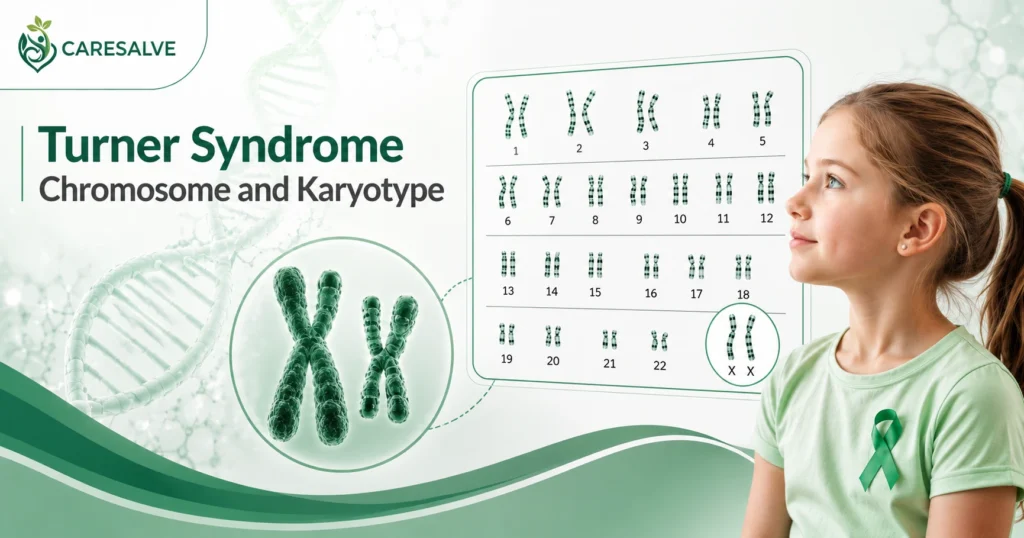
A karyotype is a picture of a person’s chromosomes arranged by size and shape, and it is the main tool doctors use to confirm Turner syndrome. In a Turner syndrome karyotype, only one X chromosome is visible instead of the normal pair, or the second X chromosome appears structurally abnormal. Karyotype testing can also reveal mosaic patterns where some cells have the missing chromosome and others do not.
Types of Turner Syndrome
Classic Turner Syndrome
Classic Turner syndrome refers to the 45,X pattern, where every cell in the body is missing one complete X chromosome. This is the most well recognized type and often leads to more noticeable symptoms from birth or early childhood, including growth delays and distinct physical features.
Mosaic Turner Syndrome
Mosaic Turner syndrome occurs when only some of the body’s cells are missing the X chromosome, while other cells have the normal chromosome pair. Because some cells function typically, symptoms of mosaic Turner syndrome are often milder and more varied compared to classic Turner syndrome. Some individuals with mosaic Turner syndrome may not be diagnosed until adolescence or adulthood.
Other Chromosomal Variations
Beyond the classic and mosaic forms, there are other chromosomal disorders and variations linked to Turner syndrome. These include structural changes such as a ring X chromosome, an isochromosome, or the presence of a small piece of a Y chromosome in some cells. Each variation can influence which symptoms appear and how severe they are.
Turner Syndrome Signs and Symptoms
Turner syndrome signs and symptoms can appear at different life stages and vary widely between individuals. Common features include short stature, delayed puberty, infertility, heart defects, and distinct physical characteristics. Below, CareSalve outlines how these symptoms typically present across different ages.
Turner Syndrome Symptoms Before Birth
During pregnancy, certain findings on ultrasound may suggest Turner syndrome in the fetus, including fluid buildup at the back of the neck, heart abnormalities, or kidney differences. These prenatal signs often lead doctors to recommend further genetic testing to confirm the diagnosis before birth.
Turner Syndrome Symptoms in Babies and Infants
In newborns and infants, Turner syndrome may present as swelling of the hands and feet, a wide or webbed neck, low set ears, a broad chest, and slower than expected growth. Some babies show very few visible signs, which is why diagnosis is sometimes delayed.
Turner Syndrome Symptoms in Children
As children grow, short stature becomes one of the most noticeable features of Turner syndrome, along with a slower growth rate compared to peers. Other physical characteristics may include a shield shaped chest, widely spaced nipples, and slightly different bone structure in the hands and feet.
Turner Syndrome Symptoms in Teenagers
In teenagers, delayed or absent puberty is one of the most common signs of Turner syndrome, since the ovaries often do not develop or function normally. This can lead to a lack of breast development and absent or irregular menstrual periods without hormone treatment.
Turner Syndrome Symptoms in Adults
In adults, Turner syndrome can involve infertility, early loss of ovarian function, and an increased risk of certain health conditions such as high blood pressure, thyroid disorders, and osteoporosis. Adult women with Turner syndrome benefit greatly from lifelong medical monitoring to manage these effects.
Physical Characteristics of Turner Syndrome
Turner Syndrome Facial Features
Common facial features associated with Turner syndrome include a small lower jaw, drooping eyelids, downward slanting eyes, and low set ears. These features can vary in how noticeable they are from one person to another.
Turner Syndrome Neck Features
A webbed neck, where extra folds of skin extend from the sides of the neck to the shoulders, is one of the most recognized features of Turner syndrome. A low hairline at the back of the neck is another common characteristic linked to this condition.
Turner Syndrome Hands and Feet
Many individuals with Turner syndrome experience puffy or swollen hands and feet, especially noticeable at birth. Some also have shorter fourth or fifth fingers, or nails that curve upward more than usual.
Other Physical Features
Additional physical traits of Turner syndrome can include a broad chest with widely spaced nipples, a low set or shield shaped chest, and multiple small pigmented moles on the skin. Not every person with Turner syndrome will show all of these features.
How Does Turner Syndrome Affect the Body?
Turner syndrome affects multiple body systems beyond physical appearance. It can influence heart function, kidney structure, bone density, hormone production, and reproductive health. Because the condition affects growth and development from an early stage, its effects are often lifelong and require ongoing medical care across several specialties.
Turner Syndrome Complications
Turner syndrome is associated with several possible health complications that require regular monitoring and management throughout life.
Cardiovascular Problems
Heart and blood vessel abnormalities are among the most serious complications of Turner syndrome, including narrowing of the aorta and other structural heart defects. Regular cardiac checkups are essential to catch and manage these issues early.
Kidney Problems
Structural kidney abnormalities are more common in individuals with Turner syndrome, though many of these differences do not cause noticeable symptoms. Imaging tests are often used to check kidney structure and function.
Skeletal and Bone Problems
Reduced bone density and a higher risk of osteoporosis are common in Turner syndrome, partly due to lower estrogen levels. Scoliosis and other skeletal differences may also occur.
Thyroid and Autoimmune Conditions
Thyroid disorders, particularly an underactive thyroid, are more frequent in people with Turner syndrome. There is also an increased risk of certain autoimmune conditions that affect the digestive system and skin.
Hearing and Vision Problems
Recurrent ear infections and gradual hearing loss are common concerns in Turner syndrome, along with certain vision problems such as eye muscle imbalance. Regular hearing and vision screenings are recommended.
Metabolic and Other Health Problems
Individuals with Turner syndrome may have a higher risk of high blood pressure, high cholesterol, and type two diabetes later in life. Ongoing metabolic monitoring supports long term health and reduces future complications.
Turner Syndrome and Fertility
How Does Turner Syndrome Affect Fertility?
Most women with Turner syndrome experience reduced ovarian function, which often leads to infertility due to underdeveloped ovaries. This happens because ovarian tissue tends to break down earlier than normal, sometimes even before birth.
Turner Syndrome and Pregnancy
While natural pregnancy is uncommon in Turner syndrome, some women are able to conceive, particularly those with mosaic Turner syndrome. Pregnancy in women with Turner syndrome is considered higher risk, especially regarding heart health, so close monitoring by a specialist is strongly recommended.
How Is Turner Syndrome Diagnosed?
Prenatal Diagnosis
Turner syndrome can sometimes be identified before birth through prenatal screening tests or ultrasound findings, followed by confirmatory genetic testing such as amniocentesis. Early prenatal diagnosis allows families and doctors to plan appropriate care from birth.
Karyotype Testing
Karyotype testing remains the standard method for confirming Turner syndrome. This blood test examines the number and structure of chromosomes to detect a missing or altered X chromosome.
Genetic Testing
In addition to karyotype analysis, other genetic testing methods may be used to detect mosaic patterns or subtle chromosomal changes that a standard karyotype might miss. These tests help doctors understand the full picture of a person’s chromosomal makeup.
Diagnosis in Babies, Children, and Adults
Turner syndrome may be diagnosed at birth due to visible physical features, during childhood when growth delays become apparent, or in adulthood when investigating causes of infertility or absent puberty. The age of diagnosis often depends on how noticeable the symptoms are.
Turner Syndrome Treatment
While there is no cure for Turner syndrome, several treatments help manage symptoms and improve quality of life.
Growth Hormone Therapy
Growth hormone therapy is commonly used in childhood to help increase final adult height in individuals with Turner syndrome. It is most effective when started early and continued under medical supervision.
Estrogen and Hormone Replacement Therapy
Estrogen therapy is typically introduced around the expected age of puberty to support the development of secondary sexual characteristics and bone health. Hormone replacement therapy is often continued into adulthood to maintain overall wellbeing.
Treatment for Associated Health Conditions
Because Turner syndrome affects multiple organ systems, treatment often includes managing related conditions such as thyroid disorders, high blood pressure, and hearing issues. A coordinated care team approach works best for addressing these varied needs.
Regular Monitoring and Long Term Care
Ongoing checkups, including heart imaging, bone density scans, and hormone level testing, are an important part of managing Turner syndrome throughout life. Long term follow up care helps catch complications early and supports overall health.
Is There a Cure for Turner Syndrome?
There is currently no cure for Turner syndrome, since it is a chromosomal condition present from conception. However, with proper medical care, hormone therapy, and regular monitoring, most individuals with Turner syndrome can lead full, healthy, and active lives.
Turner Syndrome in Adults
Adult women with Turner syndrome benefit from lifelong, coordinated medical care. Key areas of focus include long term health monitoring, cardiovascular health checkups, maintaining bone health through diet and medication, continued hormone replacement, and support around fertility and reproductive health. Many adult women with Turner syndrome live independent, fulfilling lives while managing these ongoing health needs with the help of their care team.
Is Turner Syndrome Inherited?
Turner syndrome is generally not inherited in the traditional sense, meaning it does not typically pass from parent to child in a predictable pattern like some other genetic conditions. Instead, it usually results from a random error during the formation of egg or sperm cells, or during very early cell division after conception. Because of this random origin, Turner syndrome is not considered dominant or recessive, and parents of an affected child usually do not carry the condition themselves.
Can Males Have Turner Syndrome?
Turner syndrome affects only females because it specifically involves the loss of an X chromosome in someone who otherwise has two X chromosomes. Males typically have one X and one Y chromosome, so the chromosomal pattern that defines Turner syndrome does not apply to them. While males can have other chromosomal conditions affecting their sex chromosomes, true Turner syndrome does not occur in males.
Turner Syndrome Life Expectancy and Outlook
With proper medical care and regular monitoring, most individuals with Turner syndrome have a life expectancy that is close to that of the general population, although certain studies suggest a modest reduction linked mainly to cardiovascular complications. Early diagnosis, consistent treatment, and long term follow up care significantly improve overall outlook and quality of life for people living with Turner syndrome.
When Should You See a Doctor?
Parents and individuals should consider seeing a doctor if they notice unexplained short stature, delayed puberty, ongoing growth concerns, menstrual or reproductive concerns, or physical features commonly associated with Turner syndrome. Prenatal findings suggestive of Turner syndrome should also be discussed promptly with a healthcare provider or genetic counselor for further evaluation and testing.
Frequently Asked Questions About Turner Syndrome
1. What Is Turner Syndrome?
Turner syndrome is a genetic condition in females caused by a completely or partially missing X chromosome, leading to various developmental and health related effects.
2. What Chromosome Is Affected in Turner Syndrome?
The X chromosome is affected in Turner syndrome, with one copy being missing or structurally altered instead of the usual pair.
3. What Are the Symptoms of Turner Syndrome?
Common symptoms include short stature, delayed puberty, a webbed neck, infertility, and an increased risk of heart, kidney, and thyroid problems.
4. What Causes Turner Syndrome?
Turner syndrome is caused by a random error during the formation of reproductive cells or early cell division, resulting in the loss of all or part of one X chromosome.
5. How Is Turner Syndrome Treated?
Treatment usually includes growth hormone therapy in childhood and estrogen replacement therapy around puberty, along with regular monitoring for related health conditions.
Key Takeaways
Turner syndrome is a genetic condition affecting females, caused by a missing or altered X chromosome. It can lead to short stature, delayed puberty, infertility, and an increased risk of heart, kidney, and thyroid related complications. There are several types, including classic and mosaic Turner syndrome, each with varying symptom severity. Diagnosis relies mainly on karyotype and genetic testing, sometimes even before birth. While there is no cure, treatments such as growth hormone therapy and hormone replacement therapy help manage symptoms effectively. With consistent long term health management, most individuals with Turner syndrome can enjoy a good quality of life and near typical life expectancy.
References
1. Mayo Clinic. Turner syndrome: Symptoms & causes. Mayo Clinic – Turner Syndrome: Symptoms & Causes
2. Eunice Kennedy Shriver National Institute of Child Health and Human Development (NICHD). Turner Syndrome. NICHD – Turner Syndrome
3. Cleveland Clinic. Turner Syndrome: Causes, Symptoms & Treatment. Cleveland Clinic – Turner Syndrome
