

Introduction
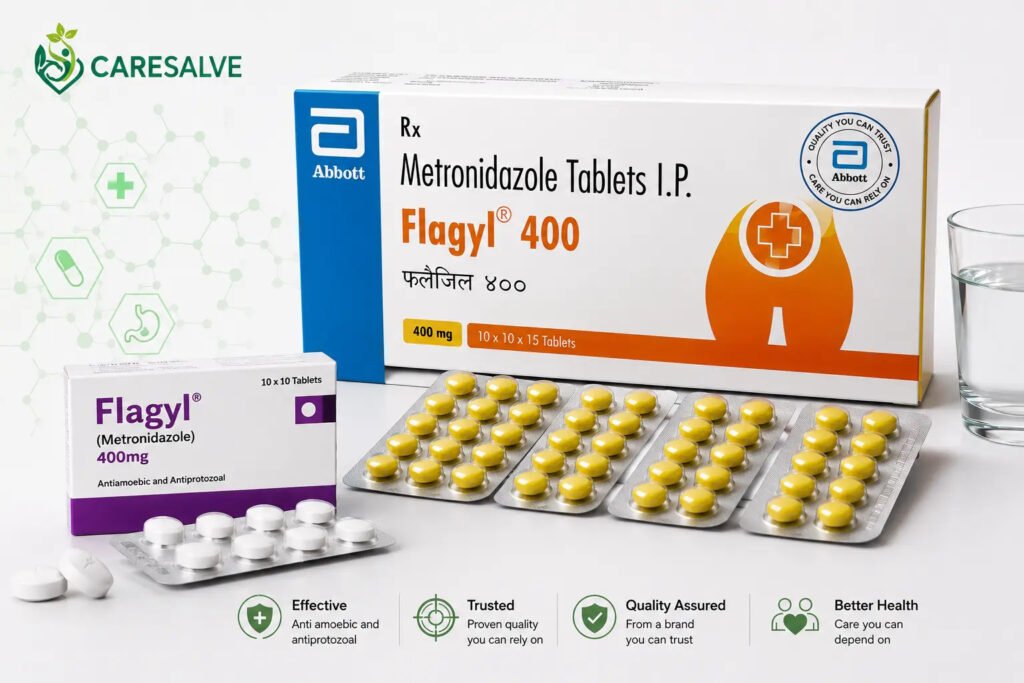
Flagyl is one of the most commonly prescribed antibiotic and antiprotozoal medicines used across Pakistan and around the world. It contains Metronidazole as its active ingredient and is widely used to treat infections caused by bacteria and parasites that thrive in low oxygen environments. Many patients search for Flagyl tablet uses because doctors prescribe it for a wide range of conditions, from stomach infections to dental problems and gynecological issues.
Metronidazole works by entering the cells of susceptible bacteria and parasites, disrupting their DNA, and preventing them from multiplying. This action helps clear the infection and relieve symptoms within a few days of starting treatment.
This guide covers everything you need to know about Flagyl tablets, including their uses, dosage, side effects, precautions, drug interactions, price, and frequently asked questions. As always, this article is for general information only and should not replace advice from a qualified doctor or pharmacist.
What Is Flagyl Tablet?
Active Ingredient
The active ingredient in Flagyl is Metronidazole, a nitroimidazole class antibiotic that also has strong antiprotozoal properties. This makes Flagyl effective against both bacterial infections and infections caused by single celled parasites.
Available Strengths
Flagyl tablets are commonly available in the following strengths.
- Flagyl 200 mg
- Flagyl 400 mg
- Flagyl 500 mg
The strength prescribed depends on the type and severity of the infection being treated, as well as the patient’s age and overall health.
How Flagyl Works
Once swallowed, Flagyl is absorbed into the bloodstream and reaches the site of infection. Inside anaerobic bacteria and certain parasites, metronidazole is converted into an active form that damages the organism’s DNA structure. This stops the bacteria or parasite from reproducing and eventually kills it, allowing the body’s immune system to clear the infection.
Flagyl Tablet Uses
Flagyl is prescribed for a broad range of bacterial and parasitic infections. Below is a detailed look at its major uses.
Flagyl for Bacterial Infections
Flagyl is highly effective against anaerobic bacteria, which are bacteria that grow without oxygen. These bacteria are often responsible for internal infections such as abdominal infections, pelvic infections, and skin and soft tissue infections.
Flagyl for Amoebiasis
Amoebiasis is an intestinal infection caused by the parasite Entamoeba histolytica. Flagyl is considered a first line treatment for this condition and helps clear the parasite from the intestines, relieving symptoms such as abdominal cramps and diarrhea.
Flagyl for Giardiasis
Giardiasis is caused by the parasite Giardia lamblia, which affects the small intestine and leads to bloating, gas, and watery diarrhea. Flagyl is commonly prescribed to treat this infection effectively.
Flagyl for Trichomoniasis
Trichomoniasis is a sexually transmitted infection caused by a parasite. Flagyl is often the treatment of choice for both men and women, and both partners typically need treatment to prevent reinfection.
Flagyl for Bacterial Vaginosis
Bacterial vaginosis occurs when there is an imbalance of bacteria in the vagina. Flagyl helps restore this balance by targeting the harmful anaerobic bacteria responsible for the condition.
Flagyl for Dental Infections
Dentists frequently prescribe Flagyl for infections involving the gums, teeth, and jaw, particularly when anaerobic bacteria are involved. It is often combined with other antibiotics for more severe dental infections.
Flagyl for Stomach Infections
Flagyl is used to treat certain stomach infections caused by susceptible bacteria and parasites, particularly infections of the intestines and abdominal cavity.
Flagyl for Diarrhea
When diarrhea is caused by specific parasites or anaerobic bacteria, Flagyl can be an effective treatment. It is important to note that not all diarrhea requires this medicine, as viral diarrhea will not respond to it.
Flagyl for Loose Motion
Similar to its use in diarrhea, Flagyl may be prescribed for loose motion when the underlying cause is identified as a susceptible infection, such as amoebic or bacterial in origin.
Flagyl for Liver Abscess
Amoebic liver abscess, a serious complication of amoebiasis, is commonly treated with Flagyl, often alongside other supportive treatments and sometimes drainage procedures.
Flagyl Before and After Surgery
Flagyl is sometimes given before and after certain surgeries, especially abdominal and colorectal procedures, to prevent infections caused by anaerobic bacteria that are naturally present in the gut.
Other Uses of Flagyl Tablet
Doctors may also prescribe Flagyl for other conditions such as certain skin infections, pelvic inflammatory disease, and as part of combination therapy for Helicobacter pylori infections that cause stomach ulcers.
Flagyl 400 Tablet Uses
The 400 mg strength is one of the most frequently prescribed forms of Flagyl. Patients often search for terms like Flagyl 400 tablet uses, Flagyl 400 mg uses, Flagyl tablet 400 mg uses, Tab Flagyl 400 mg, and Flagyl 400mg tablet uses because this dose is considered a standard middle strength suitable for many adult infections.
Flagyl 400 mg is typically prescribed for bacterial vaginosis, dental infections, mild to moderate intestinal infections, and certain surgical prophylaxis regimens. It offers a balance between effectiveness and tolerability, making it a common choice for adults with moderate infections. The exact frequency and duration always depend on the specific condition being treated and must be determined by a doctor.
Flagyl Tablet Benefits
Flagyl offers several therapeutic benefits when used appropriately.
- Kills anaerobic bacteria that cause internal and surgical site infections
- Treats protozoal infections such as amoebiasis, giardiasis, and trichomoniasis
- Provides fast symptom relief, often within a few days of starting treatment
- Prevents infection from spreading to other parts of the body
- Helps recovery after surgery by reducing the risk of postoperative infection
How to Take Flagyl Tablet

Flagyl tablets should generally be taken as directed by your doctor. Here are some general guidelines.
Flagyl can usually be taken with or after food to reduce the chances of stomach upset, although your doctor may give specific instructions based on your condition. The tablet should be swallowed whole with a full glass of water rather than being crushed or chewed unless your doctor advises otherwise.
It is essential to complete the full course of treatment even if symptoms improve before the medicine is finished. Stopping early can allow the infection to return and may contribute to antibiotic resistance.
If you miss a dose, take it as soon as you remember, unless it is almost time for your next dose, in which case you should skip the missed dose and continue your regular schedule. Never take a double dose to make up for a missed one.
In case of a suspected overdose, seek emergency medical attention immediately or contact a poison control center.
Recommended Flagyl Dosage
Dosage varies depending on the condition being treated, the patient’s age, weight, and kidney or liver function. The table below gives a general overview of commonly used adult dosing patterns.
Condition: Dental infection Adult Dose: Usually 200 mg to 400 mg taken multiple times a day Duration: Typically 3 to 7 days
Condition: Amoebiasis Adult Dose: Usually 400 mg to 800 mg taken multiple times a day Duration: Typically 5 to 10 days
Condition: Giardiasis Adult Dose: Usually 400 mg taken multiple times a day Duration: Typically 5 to 7 days
Condition: Bacterial vaginosis Adult Dose: Usually 400 mg to 500 mg taken twice daily Duration: Typically 7 days
Condition: Trichomoniasis Adult Dose: Usually given as a single larger dose or split doses over a few days Duration: Typically 1 to 7 days depending on the regimen chosen
Please note that these figures are for general reference only. Always follow your doctor’s prescription exactly, as dosing can vary significantly based on individual health factors.
Side Effects of Flagyl Tablet
Like all medicines, Flagyl can cause side effects in some patients.
Common Side Effects
- Nausea
- Metallic taste in the mouth
- Headache
- Stomach upset
- Vomiting
- Loss of appetite
These effects are usually mild and tend to resolve once the course of treatment is completed.
Serious Side Effects
- Allergic reaction, including rash, swelling, or difficulty breathing
- Numbness or tingling in the hands and feet
- Seizures
- Severe or persistent diarrhea
- Signs of liver problems, such as yellowing of the skin or eyes
If you experience any serious side effects, especially difficulty breathing, swelling of the face or throat, seizures, or signs of severe allergic reaction, seek emergency medical care immediately.
Who Should Not Take Flagyl?
Certain individuals should avoid Flagyl or use it only under close medical supervision.
- Anyone with a known allergy to metronidazole or related medicines
- Patients with significant liver disease
- Patients with significant kidney disease
- Individuals with blood disorders
- Pregnant women, particularly during the first trimester, unless specifically advised by a doctor
- Breastfeeding mothers, since the medicine can pass into breast milk
Always inform your doctor about your full medical history before starting Flagyl.
Warnings and Precautions
Patients taking Flagyl should keep the following precautions in mind.
Alcohol should be avoided completely during treatment and for at least a day or two after finishing the course, as combining alcohol with metronidazole can cause a severe reaction involving flushing, nausea, and a rapid heartbeat.
Some patients experience dizziness or confusion while on this medicine, so caution is advised when driving or operating heavy machinery until you know how the medicine affects you.
Long term use of Flagyl should be avoided unless specifically directed by a doctor, as prolonged use carries a higher risk of nerve related side effects.
Patients with existing liver conditions may require liver function monitoring during treatment.
Elderly patients may be more sensitive to the effects of Flagyl and may require dose adjustments based on their doctor’s judgment.
Drug Interactions
- Flagyl can interact with several other medicines, which may increase side effects or reduce effectiveness.
- Medicine: Warfarin Interaction: May increase the blood thinning effect, raising the risk of bleeding
- Medicine: Lithium Interaction: May increase lithium levels in the blood, requiring monitoring
- Medicine: Alcohol Interaction: Can cause a severe reaction with flushing, nausea, and rapid heartbeat
- Medicine: Phenytoin Interaction: May alter levels of either medicine, requiring dose adjustment
- Medicine: Disulfiram Interaction: May cause confusion or psychotic reactions when combined
- Medicine: Cimetidine Interaction: May increase metronidazole levels in the body
Always inform your doctor or pharmacist about all medicines, supplements, and herbal products you are taking before starting Flagyl.
Can You Take Flagyl for Stomach Pain?
Many patients wonder whether Flagyl tablet uses for stomach pain are appropriate. Flagyl works when stomach pain is caused by a susceptible bacterial or parasitic infection, such as amoebiasis or certain intestinal bacterial infections. In these cases, it can relieve pain by clearing the underlying infection.
However, Flagyl does not work for stomach pain caused by other issues such as acidity, gas, ulcers unrelated to infection, or general indigestion. Using it without a proper diagnosis is not recommended, since it will not help and may cause unnecessary side effects.
If stomach pain is severe, persistent, or accompanied by fever, vomiting, or blood, you should see a doctor for a proper diagnosis rather than self medicating.
Can Flagyl Be Used for Loose Motion and Diarrhea?
Flagyl tablet for loose motion and Flagyl for diarrhea are common search terms, but the answer depends on the underlying cause.
Flagyl is effective for infectious diarrhea caused by susceptible anaerobic bacteria. It is also a standard treatment for amoebic dysentery, which causes bloody diarrhea along with abdominal cramps. In both these cases, Flagyl can significantly improve symptoms once the infection clears.
However, Flagyl does not work for viral diarrhea, which is one of the most common causes of loose motion, especially in children and during seasonal outbreaks. Taking Flagyl for viral diarrhea will not speed up recovery and may lead to unnecessary side effects.
A doctor can help determine the exact cause of diarrhea through symptoms and, if needed, stool tests, before recommending the right treatment.
Flagyl Tablet Price
Flagyl tablet prices in Pakistan vary depending on the strength, pack size, and manufacturer. Generic metronidazole brands are often available at a lower cost compared to the original Flagyl brand.
Prices can also differ between pharmacies and regions, and they may change over time due to market conditions. For the most accurate and updated pricing, it is best to check with your local pharmacy or a trusted online pharmacy platform before purchasing.
Storage Instructions
Flagyl tablets should be stored at room temperature, away from excessive heat and moisture. Keep the medicine away from direct sunlight, and always store it out of reach of children to prevent accidental ingestion.
Alternatives to Flagyl
In cases where Flagyl is not suitable, doctors may prescribe alternative medicines from the same or a related drug class, including the following.
- Tinidazole
- Ornidazole
- Secnidazole
These alternatives should only be used under medical advice, as the choice of medicine depends on the specific infection, patient history, and any allergies or contraindications.
When Should You See a Doctor?
You should consult a doctor promptly if you experience any of the following while taking Flagyl or during an ongoing infection.
- Symptoms that persist despite treatment
- Severe abdominal or pelvic pain
- High fever that does not improve
- Bloody diarrhea
- Signs of an allergic reaction, such as rash, swelling, or difficulty breathing
Early medical attention can prevent complications and ensure you receive the right treatment for your condition.
Frequently Asked Questions
1. What is Flagyl tablet used for?
Flagyl is used to treat bacterial and parasitic infections, including intestinal infections, dental infections, vaginal infections, and certain surgical infections.
2. What are Flagyl tablet uses?
Flagyl treats conditions such as amoebiasis, giardiasis, trichomoniasis, bacterial vaginosis, and infections caused by anaerobic bacteria.
3. What is Flagyl 400 tablet used for?
Flagyl 400 mg is commonly used for dental infections, bacterial vaginosis, and moderate intestinal infections.
4. Can Flagyl treat stomach pain?
Only if the stomach pain is caused by a susceptible bacterial or parasitic infection. It will not help stomach pain from other causes.
5. Can Flagyl treat diarrhea?
Yes, if the diarrhea is caused by amoebic infection or susceptible bacteria, but it will not work for viral diarrhea.
6. Is Flagyl an antibiotic?
Yes, Flagyl is an antibiotic that also has strong antiprotozoal properties.
