


Sinus pressure is one of those feelings almost everyone recognizes: a heavy, achy tightness around the nose, forehead, cheeks, or eyes that can make it hard to focus or feel comfortable. It often shows up alongside a cold, seasonal allergies, or general congestion, and it can range from mildly annoying to genuinely painful.
The sinuses are hollow, air filled spaces inside the skull that sit behind the forehead, cheekbones, and eyes. When the tissue lining these spaces becomes swollen or irritated, mucus can have trouble draining normally, and that buildup is what most people describe as sinus pressure.
In this guide, we will walk through what sinus pressure actually is, the most common reasons it happens, where people typically feel it, simple ways to find relief at home, common medicine options, and the signs that mean it is time to talk with a doctor.
What Is Sinus Pressure?
Sinus pressure is the sensation of tightness, fullness, or mild pain in the areas surrounding the nasal passages. It happens when the tissue lining the sinuses becomes inflamed and swollen, which narrows the small openings that normally allow mucus and air to move freely.
It is closely related to nasal congestion, but the two are not exactly the same thing. Congestion usually refers to a stuffy or blocked nose, while sinus pressure describes the deeper feeling of fullness or ache in the face that can occur even when the nose itself does not feel completely blocked.
Importantly, sinus pressure does not always mean there is an infection. It can occur simply because of swelling from a cold, allergies, or irritation, and it often eases on its own once the underlying trigger settles down.
What Causes Sinus Pressure?
There are several common reasons sinus pressure develops, and understanding the cause can help guide the right approach to relief.
Colds and Viral Infections
A common cold is one of the most frequent triggers. As the body responds to the virus, the nasal tissue swells and produces extra mucus. This combination can block normal drainage and create a temporary, uncomfortable pressure that usually improves as the cold resolves.
Sinus Infection
When swelling and blocked drainage continue for an extended period, a sinus infection, also called sinusitis, can develop. This may bring thicker mucus, facial tenderness, and pressure that feels more persistent than a typical cold. Not every case of sinus pressure points to an infection, so it helps to pay attention to how long symptoms last and whether they are improving or getting worse.
Allergies
Allergic reactions to pollen, dust, pet dander, or mold can inflame the same tissue that lines the sinuses. Because allergy triggers can be present for weeks at a time, this type of sinus pressure often comes and goes or lingers longer than pressure caused by a short term illness.
Nasal Swelling and Blockage
Swollen nasal passages, whether from illness, allergies, or irritation, can physically block the small channels that let mucus drain. When drainage slows down, pressure tends to build in the surrounding areas.
Other Possible Triggers
A few additional factors can contribute to sinus pressure as well, including exposure to smoke or strong environmental irritants, changes in air or barometric pressure such as during air travel, and structural issues inside the nose that make normal airflow more difficult.
What Does Sinus Pressure Feel Like?
Sinus pressure can feel different from person to person, but there are some common patterns worth knowing.
Where Do You Feel Sinus Pressure?
Because the sinuses sit in several areas of the skull, pressure can show up in more than one spot at once. Common areas include the forehead, the space between the eyes, behind the eyes, along the bridge of the nose, the cheeks, the upper jaw and teeth, around the nose itself, and sometimes even the ears.
Common Symptoms That May Occur With Sinus Pressure
Along with the feeling of fullness or ache, sinus pressure is often accompanied by a stuffy or runny nose, general congestion, facial tenderness, a dull headache or sense of pressure in the head, a reduced sense of smell, mucus draining down the back of the throat, and a feeling of fullness in the ears.
Can Sinus Pressure Cause Dizziness or Tooth Pain?
Can Sinus Pressure Cause Dizziness?
Some people notice a mild sense of lightheadedness or imbalance alongside sinus pressure. This can happen because congestion and inflammation affect pressure in the head and ears, which are closely tied to the body’s sense of balance. That said, dizziness has many possible causes beyond the sinuses, including inner ear issues, dehydration, or blood pressure changes, so persistent or severe dizziness is worth discussing with a healthcare provider rather than assuming it is only sinus related.
Can Sinus Pressure Cause Tooth or Jaw Pain?
The sinuses located above the upper teeth, known as the maxillary sinuses, sit very close to the roots of those teeth. When these sinuses become inflamed, the pressure can sometimes be felt as an ache in the upper teeth, jaw, or roof of the mouth. This is a normal and fairly common experience during a cold, allergy flare, or sinus infection.
How to Relieve Sinus Pressure at Home
The right approach to relief often depends on what is causing the pressure in the first place, but several gentle strategies tend to help regardless of the underlying trigger.
Stay Hydrated
Drinking plenty of fluids helps keep mucus thinner, which can support more normal drainage and make congestion feel less intense.
Use Warm Steam or a Humidifier
Breathing in warm, moist air, whether from a hot shower, a bowl of warm water, or a humidifier, can help soothe irritated nasal tissue and loosen thickened mucus.
Try a Saline Nasal Rinse or Spray
A saline rinse or spray can help clear mucus and keep the nasal passages moist. When using a rinse device, it is important to use distilled, sterile, or properly boiled and cooled water rather than untreated tap water, and to follow the cleaning instructions for the device carefully.
Apply a Warm Compress
Placing a warm, damp cloth over the cheeks, nose, or forehead for several minutes at a time can offer a soothing sense of relief for many people.
Elevate Your Head
Keeping the head slightly raised, especially while resting or sleeping, may help reduce the buildup of pressure that some people notice when lying flat.
Try Gentle Facial Massage
Lightly massaging the areas around the sinuses, such as the cheeks, temples, and bridge of the nose, can feel calming for some people. Any massage should feel gentle and comfortable rather than painful.
Medicines for Sinus Pressure
Medicine can play a role in managing sinus pressure, though the best option depends on the cause and a person’s individual health history.
Decongestants
Decongestants work by narrowing swollen blood vessels in the nasal passages, which can temporarily reduce congestion and pressure. They come in both nasal spray and oral forms. Nasal decongestant sprays are generally intended for short term use only, since using them for more than a few days in a row can sometimes lead to rebound congestion. As with any medication, it is worth reviewing precautions and checking with a pharmacist or doctor about interactions or health conditions.
Pain Relievers
Over the counter pain relievers such as acetaminophen or ibuprofen are commonly used to ease the discomfort associated with sinus pressure and related headaches. It is important to follow the dosing instructions on the label and to consider any personal health conditions that might make one option more appropriate than another.
Allergy Medicines
When allergies are driving sinus pressure, antihistamines or other allergy treatments may help calm the underlying inflammation and reduce symptoms over time.
It is worth noting that no single branded product is a universal solution for sinus pressure. The most effective approach usually combines addressing the underlying trigger with supportive relief measures like the ones described above.
How to Clear Sinus Congestion and Unblock Your Sinuses
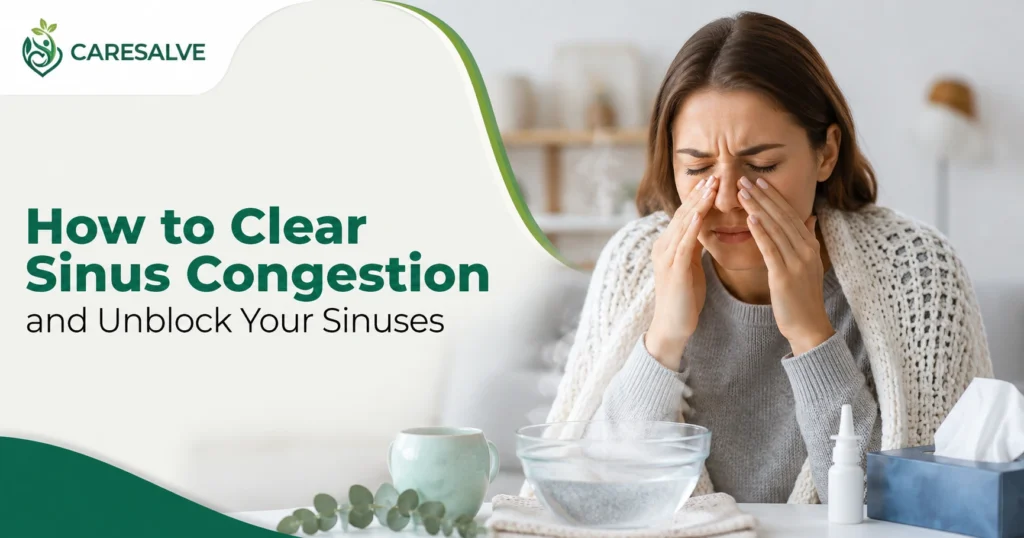
Many people search for practical, step by step ways to open up blocked sinuses. A simple sequence that many find helpful includes using a saline spray or rinse, staying well hydrated, breathing in humidified air or steam, applying a warm compress, blowing the nose gently rather than forcefully, keeping the head elevated while resting, and addressing allergies directly if they appear to be the main trigger. When these steps are not enough, an appropriate over the counter treatment may offer additional support.
These methods will not always bring instant results, but used consistently, they can meaningfully ease congestion and support the body’s natural ability to clear the sinuses over time.
Sinus Pressure vs. Sinus Infection: How Can You Tell the Difference?
It can be hard to know whether sinus pressure is simply part of a cold or allergy flare, or whether it signals a sinus infection. A few general patterns can help.
Sinus pressure on its own often occurs alongside a cold or allergies, tends to improve as the underlying congestion improves, and can happen without any infection at all. A possible sinus infection, on the other hand, may involve symptoms that persist for more than about ten days or worsen after initially improving, along with facial pain, thick discolored mucus, and ongoing congestion or drainage.
Sinus infections themselves can be viral or bacterial, and most resolve on their own with supportive care. If symptoms are severe, last a long time, or keep coming back, a medical evaluation can help determine the best next step.
When Should You See a Doctor for Sinus Pressure?
Most cases of sinus pressure improve with time and simple home care, but certain symptoms deserve prompt medical attention. These include severe or rapidly worsening facial pain, symptoms that fail to improve after about ten days or that return again and again, a high or persistent fever, noticeable swelling or redness around the eyes, changes in vision, a severe headache unlike previous ones, or confusion and other unusual neurological symptoms. If sinus pressure is intense, unusually severe, or significantly interfering with daily life, it is always reasonable to check in with a healthcare provider rather than waiting it out.
Can You Prevent Sinus Pressure?
While it is not always possible to avoid sinus pressure entirely, a few habits can lower how often it happens. These include managing known allergies with the guidance of a healthcare provider, washing hands regularly to reduce exposure to cold viruses, avoiding smoke and other irritating pollutants when possible, staying well hydrated, using a humidifier in dry environments to support healthy nasal tissue, and following any treatment plan recommended for recurring allergy or sinus issues. Anyone dealing with frequent or chronic sinus symptoms may benefit from a conversation with a healthcare professional about longer term prevention strategies. CareSalve recommends checking in with a provider if these episodes become a regular pattern.
Frequently Asked Questions About Sinus Pressure
1. What is the fastest way to relieve sinus pressure?
There is no single instant fix, but combining a saline rinse, steam or humidified air, a warm compress, and staying hydrated tends to bring relief within a reasonably short time for most people.
2. Where do you feel sinus pressure?
Common locations include the forehead, the area between and behind the eyes, the bridge of the nose, the cheeks, and sometimes the upper teeth or ears.
3. Can sinus pressure cause dizziness?
It can, since congestion and inflammation affect pressure in the head and ears. Persistent or severe dizziness should still be evaluated by a healthcare provider, since it can have other causes as well.
4. What can I take for sinus pressure?
Options may include decongestants, pain relievers such as acetaminophen or ibuprofen, and allergy medicine when allergies are the underlying trigger. A pharmacist or doctor can help determine the safest choice for a given situation.
5. How can I clear my sinuses at home?
A saline rinse or spray, warm steam, a warm compress, staying hydrated, and keeping the head elevated while resting are all simple, effective starting points.
Sinus pressure is uncomfortable, but in most cases it is a temporary response to congestion, allergies, or a mild illness rather than a sign of something serious. Paying attention to where the pressure is felt, what symptoms come along with it, and how long it lasts can help guide the right combination of home care, medicine, and, when needed, medical evaluation.
