
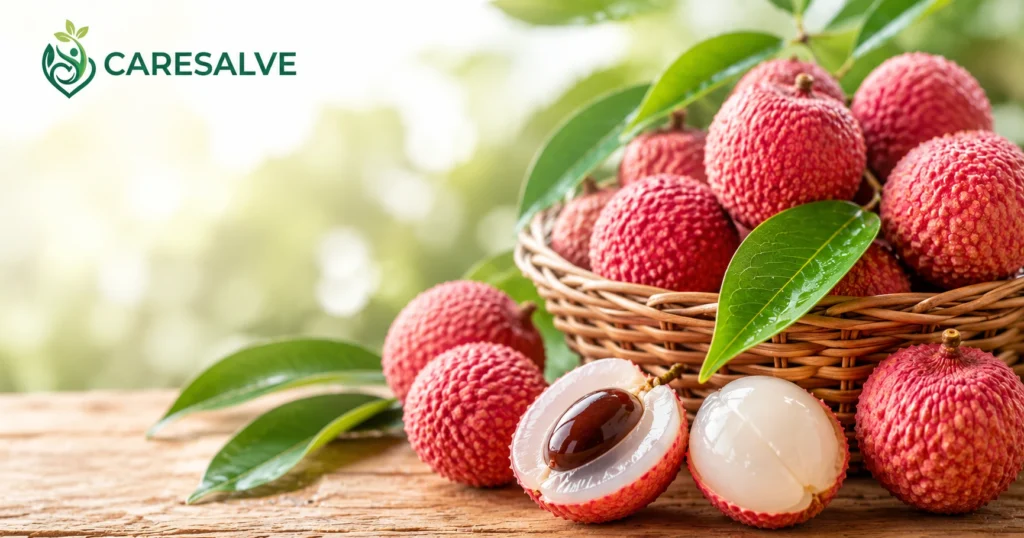

Lychee is a small, sweet tropical fruit loved around the world for its juicy white flesh and fragrant flavor. Also known as litchi, this fruit is not only delicious but also packed with vitamins and antioxidants. Many people ask whether lychee is good for you, and the short answer is yes, when eaten in reasonable amounts as part of a balanced diet. Lychee fruit benefits include a good dose of vitamin C, plant compounds that support overall wellness, and a naturally sweet taste that makes it easy to enjoy fresh. In this guide, we will cover everything you need to know about lychee, from its nutritional value to its calories, potential benefits, and possible side effects, so you can decide if this fruit deserves a regular spot in your diet.
What Is Lychee Fruit?
Lychee is a tropical fruit that grows on evergreen trees, typically found in warm, humid climates. The fruit itself is small and round, usually about the size of a golf ball, with a rough, reddish pink outer skin that is not eaten. Once peeled, the inside reveals a translucent, juicy white flesh surrounding a single, smooth brown seed. The taste is often described as a mix between a grape and a pear, with a floral, slightly tangy sweetness.
What Type of Fruit Is Lychee?
So what type of fruit is lychee exactly? Botanically speaking, lychee is classified as a drupe, which is a type of fruit that has a fleshy outer layer surrounding a hard seed or pit at its center. Other examples of drupes include mangoes, peaches, and plums. This means that when people ask, is lychee a fruit, the answer is clearly yes. It is a true fruit, and in many parts of Asia, it is referred to as litchi fruit, a term that shows up frequently in recipes and traditional dishes.
Is Lychee a Berry or a Nut?
There is often confusion around whether lychee counts as a berry or a nut. Botanically, lychee is neither. It does not meet the scientific definition of a berry, so the idea of a litchi berry is more of a casual description than an accurate classification. Similarly, the term lychee nuts is a common nickname used because the dried version of the fruit resembles a nut in texture and appearance, but lychee is not a nut in the botanical sense at all.
Where Do Lychees Come From?
Lychees originated in southern China thousands of years ago and have since spread to other tropical and subtropical regions, including India, Vietnam, Thailand, and parts of the United States such as Florida and Hawaii. Yes, lychees do grow on trees, specifically on tall, dense evergreen trees that can live for many decades and produce fruit seasonally, usually during the warmer months of the year.
Lychee Nutrition Facts and Calories
Understanding lychee nutrition helps explain why this fruit has earned such a strong reputation among health conscious eaters. The lychee nutritional value comes primarily from its high vitamin C content, natural sugars, and small amounts of other essential nutrients.
Lychee Nutritional Value
According to available litchi nutritional value data, a typical serving of fresh lychee is low in fat and protein but rich in carbohydrates, mostly from natural sugars. The litchi nutrition data also shows meaningful amounts of vitamin C, along with smaller amounts of B vitamins, potassium, and copper. This lychee nutrition information makes it a fruit that can contribute positively to a well rounded diet when consumed in normal portions.
How Many Calories Are in Lychee?
One of the most common questions people search for is how many calories in lychee fruit. On average, one fresh lychee contains around 6 to 10 calories, since the fruit is mostly water with a small amount of natural sugar. If you are wondering about calories in 10 lychees, that typically adds up to roughly 60 to 100 calories, depending on the size of the fruit. This makes litchi fruit calories relatively low compared to many other sweet snacks, which is part of why lychee is often seen as a fruit friendly option for those watching their intake.
Carbs, Sugar, and Fiber in Lychee
Lychee carbs come mostly from natural sugar, with a smaller portion from dietary fiber. The lychee sugar content is noticeable, which is part of what gives the fruit its distinct sweetness, but because the portion sizes are small, the overall sugar intake per fruit remains modest. In terms of lychee macros, the fruit is very low in fat and protein, with carbohydrates making up the vast majority of its caloric content.
Vitamins and Minerals in Lychee
The vitamins in lychee fruit are led by vitamin C, and just a handful of lychees can provide a substantial portion of the recommended daily intake for this nutrient. Beyond vitamin C, lychee nutrients also include small amounts of potassium, which supports fluid balance, and copper, which plays a role in various bodily processes. These litchi nutrients combine to make lychee a nutrient dense choice for a fruit that is also relatively low in calories.
Health Benefits of Lychee Fruit
The health benefits of lychee fruit stem largely from its vitamin content and plant compounds. While lychee should not be viewed as a cure for any condition, incorporating it into a balanced diet may offer several potential advantages.
1. Rich in Antioxidants
Lychee antioxidants, including vitamin C and various polyphenols, may help the body manage everyday oxidative stress. These nutritional benefits of lychee are one of the main reasons the fruit is often highlighted in discussions about lychee health benefits, since antioxidant rich foods are generally considered a valuable part of a healthy eating pattern.
2. Supports Immune Health
Among the most commonly cited benefits of eating lychee is its contribution to immune function, largely thanks to its vitamin C content. Vitamin C plays a well documented role in supporting the immune system, and the benefits eating lychee fruit regularly, alongside other vitamin C rich foods, may help support the body’s natural defenses.
3. May Support Healthy Skin
Many people search for lychee benefits for skin, and while lychee itself does not contain collagen, so the answer to does lychee have collagen is no, the vitamin C in lychee is important because the body needs vitamin C to naturally produce its own collagen. This is why lychee for skin is often mentioned, since adequate vitamin C intake supports the body’s collagen production process, which contributes to skin health over time.
4. May Support Digestive Health
Lychee fiber content, while modest, can contribute to overall digestive wellness as part of a fiber rich diet. As for whether does lychee make you poop, the fiber and water content in lychee may support regular digestion for some people, though it is not a significant enough source of fiber on its own to be relied upon for this purpose.
5. May Fit Into a Healthy WeightLoss Diet
Because lychee is relatively low in calories, many people ask, is lychee good for weight loss. When eaten in moderation as a whole fruit rather than in sugary processed forms, lychee can be a satisfying, low calorie snack option that fits reasonably well into a calorie conscious eating plan.
6. Other Potential Health Benefits
So what is lychee good for overall? Beyond the specific points above, lychee is good for health in a general sense, as it contributes hydration, vitamins, and antioxidants without excessive calories. It is worth noting that lychee should not be viewed as a treatment for any disease, and any claims suggesting the fruit can prevent or cure serious conditions are not supported by strong scientific evidence.
Is Lychee Good for Diabetes?
This is a nuanced topic, and it deserves a balanced look rather than a simple yes or no answer.
Lychee and Blood Sugar
Lychee and diabetes is a frequently searched topic because the fruit contains natural sugar. The lychee sugar content means that eating large quantities at once could raise blood sugar levels, which is an important consideration for anyone managing their glucose levels.
Can Diabetics Eat Lychee?
Many people ask, is lychee good for diabetics. The general guidance for litchi for diabetes is that small, controlled portions can typically be included in a diabetes friendly diet, but this should always be discussed with a healthcare provider or dietitian who understands an individual’s specific health needs. Lychee fruit good for diabetics claims should not be taken as a blanket recommendation, since everyone’s tolerance to natural sugars varies.
What Is the Glycemic Index of Lychee?
The lychee glycemic index is considered to be moderate. This means it can raise blood sugar, but generally not as sharply as high glycemic index foods. Still, portion control remains important, and anyone with diabetes should monitor their personal response when adding lychee to their diet.
Is Lychee Fattening? Calories and Weight Loss
Given its natural sweetness, some people wonder, is lychee fruit fattening. The truth is that whole, fresh lychee is quite low in calories, and are lychees fattening is generally not a major concern when the fruit is eaten in typical serving sizes. The concern arises more with processed lychee products, such as canned lychee in heavy syrup or sugary lychee drinks, which add significant extra sugar and calories that the natural fruit does not have. When comparing whole fruit to sugary desserts or juice, whole lychee is almost always the better choice for anyone mindful of their overall calorie intake and looking to keep their diet balanced.
Lychee Juice Benefits and Nutrition

Lychee juice benefits can include a dose of vitamin C and antioxidants, similar to the whole fruit, but there is an important distinction to make. Benefits of lychee juice are strongest when the juice is fresh and unsweetened, since much of the litchi fruit juice benefits come from the same nutrients found in the whole fruit. However, commercial lychee juice often contains added sugar, which reduces its nutritional advantages and increases calorie content significantly. Whenever possible, choosing whole lychee over juiced or sweetened versions helps preserve the fruit’s natural fiber and keeps added sugar intake in check.
Lychee Side Effects and Risks
While lychee is generally safe for most people, there are a few important considerations to keep in mind.
Can Lychee Cause Allergic Reactions?
Lychee allergy, while uncommon, can occur in some individuals, particularly those who already have sensitivities to other fruits. Side effects of lychee related to allergies may include itching, swelling, or digestive discomfort, and anyone with a known fruit allergy should introduce lychee cautiously.
Can Lychee Affect Blood Sugar?
There have been reports linking lychee hypoglycemia to consumption of large quantities of unripe lychee, particularly in certain regions where this has been studied. This connects back to lychee and diabetes concerns, reinforcing the importance of moderation and choosing properly ripened fruit.
Is Unripe Lychee Safe to Eat?
Unripe lychee has been associated with health risks in some studies, and there is ongoing discussion about whether lychee poisonous effects can occur when unripe fruit is eaten in large amounts, especially on an empty stomach. To stay safe, it is best to only eat lychee that is fully ripe, which can be identified by its bright, rosy skin color and slightly soft texture.
Who Should Be Careful With Lychee?
Certain groups should pay extra attention when eating lychee. This includes people with known food allergies, individuals managing blood glucose levels such as those with diabetes, and anyone who notices unusual symptoms after eating lychee, such as digestive upset or skin reactions.
How to Eat Lychee Fruit
Eating lychee is simple once you know the basic steps involved.
How to Eat a Lychee
If you are wondering how to eat lychee, start by gently peeling away the rough outer skin using your fingers or a small knife. Once the skin is removed, you will see the juicy white flesh inside. How to eat a lychee fruit properly involves biting or cutting into the flesh and enjoying it directly, while making sure to remove the large, smooth seed at the center, which should not be eaten.
Ways to Enjoy Fresh Lychee
Fresh lychee can be eaten on its own as a simple snack, or added to fruit salads for extra flavor. A lychee smoothie is a popular way to enjoy the fruit blended with other tropical ingredients. There are also many creative recipes with lychee fruit, from adding it to a refreshing lychee mix in drinks, to using it in desserts. Fresh lychees pair particularly well with citrus fruits, mint, and coconut based dishes.
How Many Lychees Can You Eat a Day?
There is no single universal number that applies to everyone when it comes to how many lychees can you eat a day. The right lychee serving size depends on an individual’s overall diet, calorie needs, and any specific health conditions like diabetes. As a general guideline, a small handful of lychees, roughly 10 to 15 fruits, is often considered a reasonable serving for most healthy adults, keeping in mind the calories in 10 lychees mentioned earlier. Those with specific health concerns should consult a healthcare provider for personalized advice.
Frequently Asked Questions About Lychee
1. Is Lychee Good for You?
Yes, lychee is generally good for you when eaten in moderate amounts, thanks to its vitamin C content, antioxidants, and low calorie profile.
2. Are Lychees Healthy?
Are lychees healthy is a common question, and the answer is largely yes, as they offer valuable nutrients without excessive calories or fat.
3. How Many Calories Are in a Lychee?
A single lychee typically contains around 6 to 10 calories, making it a light, low calorie fruit option.
4. Is Lychee Good for Weight Loss?
Lychee can fit into a weight loss friendly diet due to its low calorie count, especially when eaten fresh rather than in sugary processed forms.
5. Is Lychee Good for Diabetics?
Small portions of lychee may be suitable for diabetics, but individuals should monitor their blood sugar response and consult a healthcare provider.
6. Does Lychee Have Fiber?
Yes, lychee contains a modest amount of dietary fiber, which can support digestive health as part of a balanced diet.
7. Does Lychee Have Collagen?
No, lychee does not contain collagen, but its vitamin C content supports the body’s natural collagen production process.
8. What Are the Benefits of Lychee Fruit?
The benefits of lychee fruit include vitamin C support, antioxidant content, potential skin health support, and a low calorie profile suitable for many diets.
9. Are Lychees Fattening?
Whole, fresh lychees are not considered particularly fattening due to their low calorie content, though sugary lychee products should be eaten in moderation.
Key Takeaways
Lychee is a nutrient rich tropical fruit that offers meaningful lychee benefits, including a strong vitamin C profile, antioxidant support, and a relatively low calorie count. Understanding lychee nutrition helps explain why this fruit can be a smart addition to a balanced diet, whether you are focused on general wellness or mindful of your daily calorie intake. The lychee fruit benefits are best enjoyed through fresh, whole fruit rather than sugary juices or syrups. Is lychee healthy? For most people, the answer is yes, as long as it is eaten in reasonable portions. Those managing diabetes should be mindful of natural sugar content, and anyone new to the fruit should watch for signs of allergic reaction. With proper portion control and attention to ripeness, lychee can be a delicious, nutrient dense addition to your everyday diet. At CareSalve, we encourage exploring whole, natural foods like lychee as part of a thoughtful and balanced approach to nutrition.
References
- U.S. Department of Agriculture, FoodData Central, Lychee Nutrient Profile: https://fdc.nal.usda.gov/food-search?query=lychee
- National Institutes of Health, Office of Dietary Supplements, Vitamin C Fact Sheet: https://ods.od.nih.gov/factsheets/VitaminC-Consumer/
- Harvard T.H. Chan School of Public Health, The Nutrition Source, Fiber: https://nutritionsource.hsph.harvard.edu/carbohydrates/fiber/
- World Health Organization, Guidelines on Sugars Intake for Adults and Children: https://www.who.int/publications/i/item/9789241549028
