

Introduction
Fennel is a crunchy, aromatic vegetable with a mild licorice like flavor, prized both for its bulb and its seeds. The bulb is often sliced into salads or roasted as a side dish, while the seeds, sometimes called saunf, are widely used as a spice and digestive aid across many cuisines.
This plant has been used for centuries in traditional cooking and herbal remedies, valued for its flavor as well as its potential wellness benefits. Both the fennel bulb and fennel seeds offer a range of nutrients, including fiber, vitamins, minerals, and plant compounds that may support digestion, heart health, and overall wellbeing.
This guide covers everything you need to know about fennel and fennel seeds, including their nutritional value, potential health benefits, how to use them in cooking, tips for choosing and storing them, simple recipes to try, and important safety considerations.
What Is Fennel?
Fennel refers to both a vegetable and the seeds produced by the same plant, so it helps to look at each part separately.
Fennel Plant (Foeniculum vulgare)
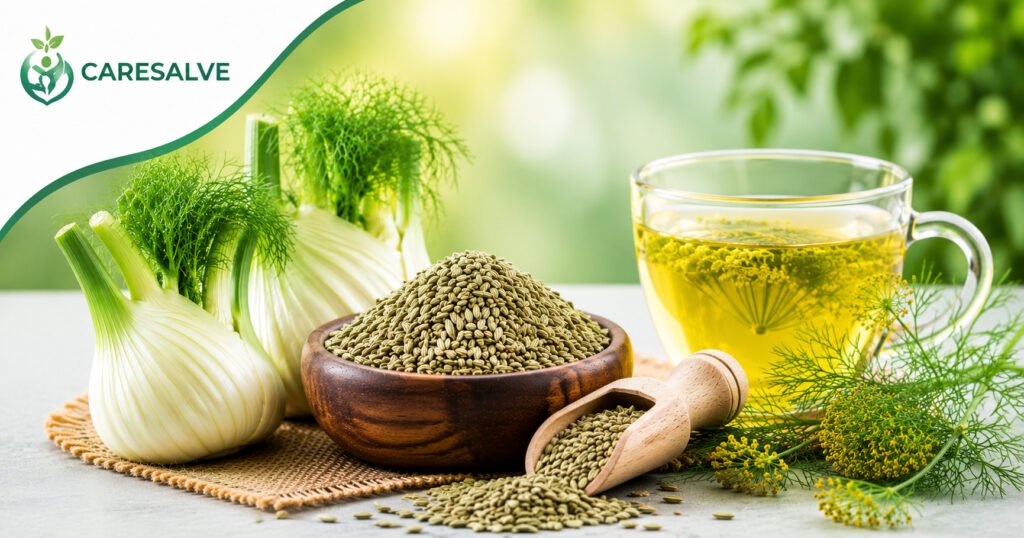
Fennel, scientifically known as Foeniculum vulgare, originated in the Mediterranean region and has since spread to cuisines around the world. The plant features a pale green, layered bulb at its base, feathery fronds resembling dill, and tall stalks that can produce small yellow flowers and seeds. Botanically, fennel is classified as a vegetable, though its seeds are used more like a spice or herb. A related variety known as bronze fennel is grown mainly for its ornamental, deep reddish foliage and fragrant fronds, often used in garnishes and herbal preparations rather than as a bulb vegetable.
What Are Fennel Seeds?
Fennel seeds are the small, ridged, oval shaped seeds produced by the fennel plant once it flowers. While the fennel bulb is the vegetable portion typically eaten fresh or cooked, the seeds are dried and used whole or ground as a spice. In South Asian cuisine and traditional medicine, fennel seeds are commonly known as saunf and are often chewed after meals. Fresh fennel seeds have a brighter, slightly sweeter aroma, while dried fennel seeds, which are far more common in stores, offer a more concentrated, warm licorice like flavor.
Fennel Bulb vs Fennel Seeds
Although they come from the same plant, the bulb and seeds differ in several important ways.
The fennel bulb has a crisp, crunchy texture similar to celery, with a mild, slightly sweet anise flavor. It is commonly used raw in salads, roasted as a side dish, or added to soups and braises. A serving of raw fennel bulb is relatively low in calories and offers a good amount of fiber and vitamin C, along with modest amounts of potassium and folate.
Fennel seeds, on the other hand, have a firm, slightly crunchy texture and a much more concentrated, warm, and slightly sweet licorice like flavor. They are typically used in small amounts as a spice in curries, breads, and herbal teas. Because they are used sparingly, fennel seeds contribute fewer overall calories per serving but are dense in certain minerals and plant compounds, offering potential digestive and antioxidant benefits.
Fennel Nutrition Facts
Both the fennel bulb and fennel seeds bring distinct nutritional profiles to the table.
Nutritional Value of Fennel Bulb
A typical one cup serving of raw, sliced fennel bulb provides approximately the following nutrients.
| Nutrient | Approximate Amount per 1 Cup Raw Fennel Bulb |
| Calories | 27 |
| Fiber | 2.7 grams |
| Carbohydrates | 6.3 grams |
| Protein | 1.1 grams |
| Vitamin C | 10.4 milligrams |
| Potassium | 360 milligrams |
| Calcium | 43 milligrams |
| Folate | 24 micrograms |
Fennel Seeds Nutrition Value
Fennel seeds are more calorie dense per gram, though they are typically consumed in much smaller quantities. A one tablespoon serving of whole fennel seeds provides approximately the following.
| Nutrient | Approximate Amount per 1 Tablespoon Fennel Seeds |
| Calories | 20 |
| Fiber | 2.3 grams |
| Protein | 0.9 grams |
| Healthy fats | 0.9 grams |
| Iron | 1.2 milligrams |
| Magnesium | 15 milligrams |
| Potassium | 68 milligrams |
| Manganese | 0.4 milligrams |
Key Vitamins and Minerals
Fennel and fennel seeds together supply a range of important micronutrients. Vitamin C supports immune function and skin health. Potassium plays a role in maintaining healthy blood pressure and proper muscle function. Calcium contributes to bone strength. Iron is essential for oxygen transport in the blood. Magnesium supports nerve and muscle function, while manganese assists with bone formation and metabolism. Dietary fiber from both the bulb and seeds supports digestive health and helps promote a feeling of fullness.
Top Health Benefits of Fennel and Fennel Seeds
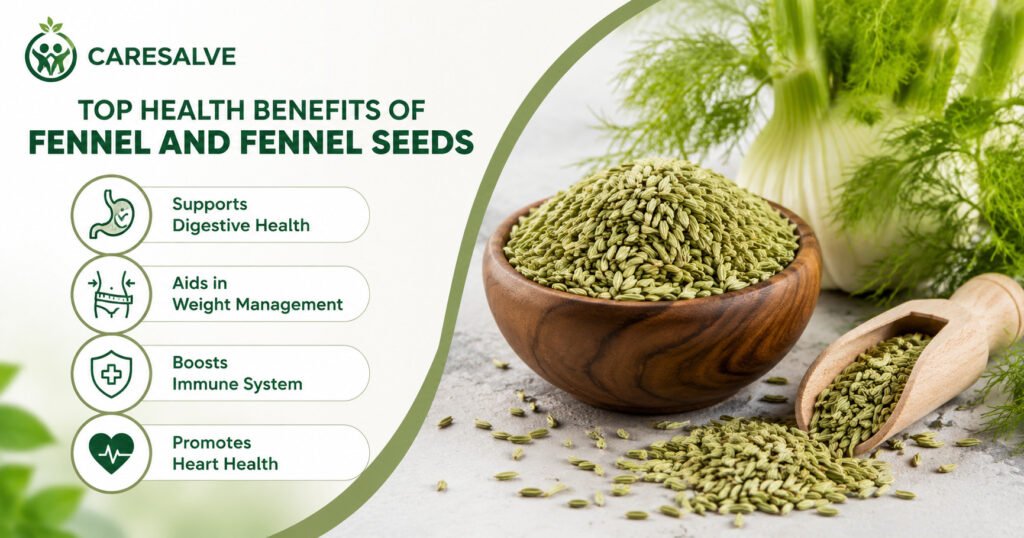
Fennel and its seeds have long been associated with a variety of potential wellness benefits, many of which are supported by their fiber, antioxidant, and mineral content.
Supports Healthy Digestion
Fennel seeds are widely known for their traditional use in easing digestive discomfort, including bloating, gas, constipation, and general indigestion. Their fiber content supports regular bowel movements, while certain plant compounds may help relax the digestive tract.
May Improve Heart Health
The combination of fiber, potassium, and antioxidants found in fennel may support cardiovascular health. Fiber can help manage cholesterol levels, while potassium plays a role in supporting healthy blood pressure, both of which are important for overall heart function.
Rich in Powerful Antioxidants
Fennel contains several notable plant compounds, including anethole, along with various flavonoids and polyphenols. These antioxidants may help protect cells from oxidative stress, which is linked to various chronic health concerns.
May Help Reduce Inflammation
Some of the antioxidant and plant compounds in fennel, particularly anethole, have been studied for their potential to help reduce markers of inflammation in the body, though more research is needed to fully understand these effects in humans.
Supports Healthy Weight Management
Fennel bulb is low in calories yet provides fiber that can promote a feeling of fullness, which may support efforts toward maintaining a healthy weight as part of a balanced diet.
May Help Regulate Blood Pressure
The potassium content in fennel may contribute to healthy blood pressure levels by helping balance sodium in the body and supporting proper blood vessel function.
Supports Immune Function
Vitamin C, along with various antioxidants found in fennel, plays a supportive role in maintaining a healthy immune system.
Helps Maintain Healthy Bones
Fennel provides small amounts of calcium and manganese, both of which contribute to maintaining bone density and overall bone health when included as part of a varied diet.
May Support Women’s Health
Fennel seeds have traditionally been used to help ease symptoms associated with PMS and menstrual cramps. Some traditional practices also associate fennel with easing certain discomforts related to menopause, though it is important to consult a healthcare provider before using fennel for any specific health concern rather than relying on it as a treatment.
Potential Benefits for Men
While research specific to men is limited, the general wellness benefits of fennel, including its antioxidant content and overall nutritional profile, may support men’s health as part of a well rounded diet.
May Support Healthy Blood Sugar Levels
Some preliminary studies suggest fennel may have a role in supporting healthy blood sugar levels, though the evidence remains limited and further research is needed before any strong conclusions can be drawn.
Is Fennel Good for You?
Fennel can be a valuable addition to a balanced diet, offering fiber, vitamins, minerals, and antioxidants with relatively few calories. As with many whole vegetables, nutrition experts often recommend fennel as part of a varied, plant rich eating pattern that supports long term health.
Fennel seeds are also considered a healthy addition when used as a spice or occasional herbal preparation, contributing beneficial plant compounds and minerals even in small quantities. Both forms of fennel can complement a nutritious diet, though neither should be viewed as a replacement for medical treatment or a substitute for a wide variety of fruits and vegetables.
How to Use Fennel
Fennel is versatile and can be enjoyed in many different forms depending on preference and preparation method.
Eating Raw Fennel
Thinly sliced raw fennel bulb adds a crisp texture and mild anise flavor to salads and slaws, often paired with citrus, apples, or fresh herbs.
Roasted Fennel
Roasting fennel wedges with olive oil brings out a sweeter, more mellow flavor, making it a popular side dish alongside roasted vegetables or proteins.
Fennel Tea
Fennel tea is typically made by steeping crushed or whole fennel seeds in hot water, offering a warm, aromatic drink often enjoyed after meals.
Fennel Powder
Ground fennel powder can be used as a convenient way to add fennel’s flavor to spice blends, marinades, or baked goods without needing whole seeds.
Cooking with Fennel Seeds
Fennel seeds are a staple in many cuisines and can be used in curries, breads, soups, pickles, and herbal drinks, offering both flavor and traditional digestive benefits.
How to Choose and Store Fennel
Selecting fresh, high quality fennel helps ensure the best flavor and nutritional value.
Buying Fresh Fennel
Look for fennel bulbs that are firm, pale green to white in color, and free of soft spots or browning. The fronds should appear fresh and green rather than wilted.
Choosing Quality Fennel Seeds
High quality fennel seeds should have a strong, sweet aroma and a uniform light green to brown color. Avoid seeds that appear dull, discolored, or lack fragrance, as this may indicate they are old.
Storage Tips
Fresh fennel bulbs should be stored in the refrigerator, ideally wrapped loosely, and used within about a week for the best texture and flavor. Fennel seeds should be kept in airtight containers in a cool, dry place, where they can typically maintain good flavor and potency for up to a year.
Fennel Recipes to Try
Here are a few simple ways to incorporate fennel into your meals.
Fresh Fennel Salad
Thinly sliced fennel bulb tossed with orange segments, olive oil, lemon juice, and a pinch of salt makes a refreshing, crunchy salad.
Roasted Fennel
Fennel wedges tossed in olive oil, salt, and pepper, then roasted until golden and tender, make an easy and flavorful side dish.
Homemade Fennel Tea
Steep one teaspoon of crushed fennel seeds in a cup of hot water for about ten minutes, then strain and enjoy, optionally with a touch of honey.
Vegetable Soup with Fennel
Adding sliced fennel bulb to a vegetable soup base along with carrots, celery, and herbs brings subtle sweetness and depth of flavor to the dish.
Potential Side Effects and Safety
While fennel is generally considered safe for most people when consumed in typical food amounts, there are a few important considerations.
Possible Allergic Reactions
Some individuals may experience allergic reactions to fennel, particularly those with sensitivities to related plants such as celery, carrot, or mugwort. Symptoms can include itching, swelling, or digestive upset.
Pregnancy and Breastfeeding
Fennel is commonly used in food amounts during pregnancy and breastfeeding, but concentrated fennel supplements or large medicinal doses should be avoided unless approved by a healthcare provider, since safety data in these forms is limited.
Medication Interactions
Fennel may interact with certain medications, including some hormone related therapies and blood thinning medications. Anyone taking prescription medication should consult a healthcare professional before using fennel supplements or concentrated extracts.
Can You Eat Fennel Every Day?
For most healthy individuals, fennel bulb can be enjoyed regularly as part of a varied diet, while fennel seeds are best used in moderate, typical culinary amounts rather than as a daily concentrated supplement, unless guided by a healthcare provider.
Frequently Asked Questions
1. What is fennel good for?
Fennel is valued for its fiber, vitamin C, potassium, and antioxidant content, and it may support digestion, heart health, and overall wellness as part of a balanced diet.
2. What are fennel seeds used for?
Fennel seeds are commonly used as a spice in cooking and are traditionally chewed or brewed as tea to help support digestion.
3. Is fennel a vegetable?
Yes, the fennel bulb is classified as a vegetable, while the seeds produced by the plant are typically used more like a spice or herb.
4. Are fennel seeds healthy?
Yes, fennel seeds provide fiber, minerals, and beneficial plant compounds, making them a healthy addition when used in typical culinary amounts.
5. Is fennel fattening?
No, fennel bulb is low in calories and provides fiber, making it a suitable choice for those mindful of their calorie intake.
6. What does fennel taste like?
Fennel has a mild, slightly sweet flavor often compared to licorice or anise, with the seeds offering a more concentrated version of this taste.
7. Can you eat fennel raw?
Yes, raw fennel bulb is commonly sliced thin and enjoyed in salads or as a crunchy snack.
8. Is fennel anti-inflammatory?
Fennel contains antioxidant compounds, including anethole, that have been studied for potential anti-inflammatory properties, though more research is needed to confirm these effects in humans.
9. What is the difference between fennel and anise?
While fennel and anise share a similar licorice like flavor due to related plant compounds, they come from different plants with distinct appearances, uses, and culinary applications.
10. Fennel seed vs fennel bulb, which is healthier?
Both offer valuable nutrients, but they serve different purposes. The bulb provides more volume, fiber, and vitamin C as a vegetable, while the seeds offer concentrated minerals and plant compounds in small culinary amounts, making them complementary rather than directly comparable.
Key Takeaways
Fennel is a nutrient rich vegetable, while fennel seeds are a flavorful spice packed with beneficial plant compounds. Both provide fiber, antioxidants, vitamins, and minerals that support overall health. Adding fennel to a balanced diet may promote digestion, heart health, and general wellness. As with any food or herbal ingredient, fennel should be consumed in moderation, and individuals with allergies, those who are pregnant, or anyone taking medications that may interact with herbal products should consult a healthcare professional before making significant changes to their diet.
